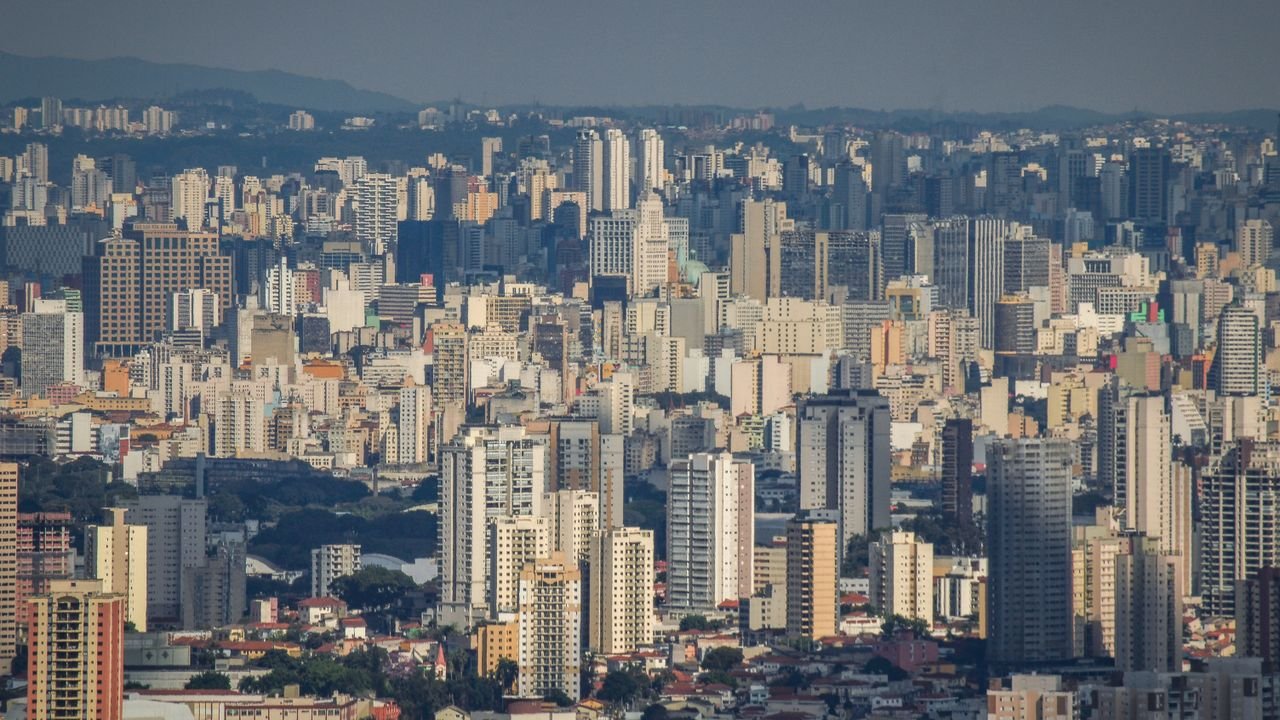
São Paulo’s three-night BTS run has become a story about much more than stadium tickets. São Paulo Turismo (SPTuris), the city’s tourism and events agency, has estimated that the shows could be associated with more than R$330 million in economic activity. It is a spectacular headline, but it is not quite what it sounds like.
That figure is not the group’s earnings, the event promoter’s profit or a tax windfall for city hall. It is a forecast combining two different things: gross ticket revenue and the spending of people expected to travel to São Paulo. Understanding the difference makes this a more interesting story about how global K-pop fandom influences cities.
BTS’s ARIRANG concerts at MorumBIS are scheduled for October 28, 30 and 31, 2026. With the final date still part of the three-show run, the numbers reported by SPTuris are best read as projections rather than a completed economic audit.
Where does the R$330 million figure come from?
The agency starts with capacity. MorumBIS is configured for a projected 84,458 spectators each night. Multiply that by three concerts and the result is 253,374 potential admissions. That is a total across performances, not necessarily the same number of unique people: a fan who attends two nights occupies two admissions.
SPTuris then uses the published ticket-price categories to forecast almost R$260 million in gross box-office receipts. It is a model of ticketing activity, not an independently verified announcement of the amount retained by BTS, HYBE or the concert organizer after costs.
For the tourism estimate, the agency assumes that visitors from outside the city make up around 20% of the audience at major international shows and festivals. Applied to the BTS attendance estimate, that corresponds to more than 50,000 visitor attendances. Assuming average local spending of R$1,500 per visitor gives a forecast near R$75 million for hotels, meals, transport and shopping.
| Part of the estimate | Projected amount | Calculation |
|---|---|---|
| Gross box office | Almost R$260 million | Ticket prices and projected stadium capacity |
| Visitor spending | Around R$75 million | 20% tourist assumption and R$1,500 per visitor |
| Total activity associated with the shows | Over R$330 million | Rounded estimates combined, not final verified proceeds |
Ticket revenue vs. visitor spending: the SPTuris forecast
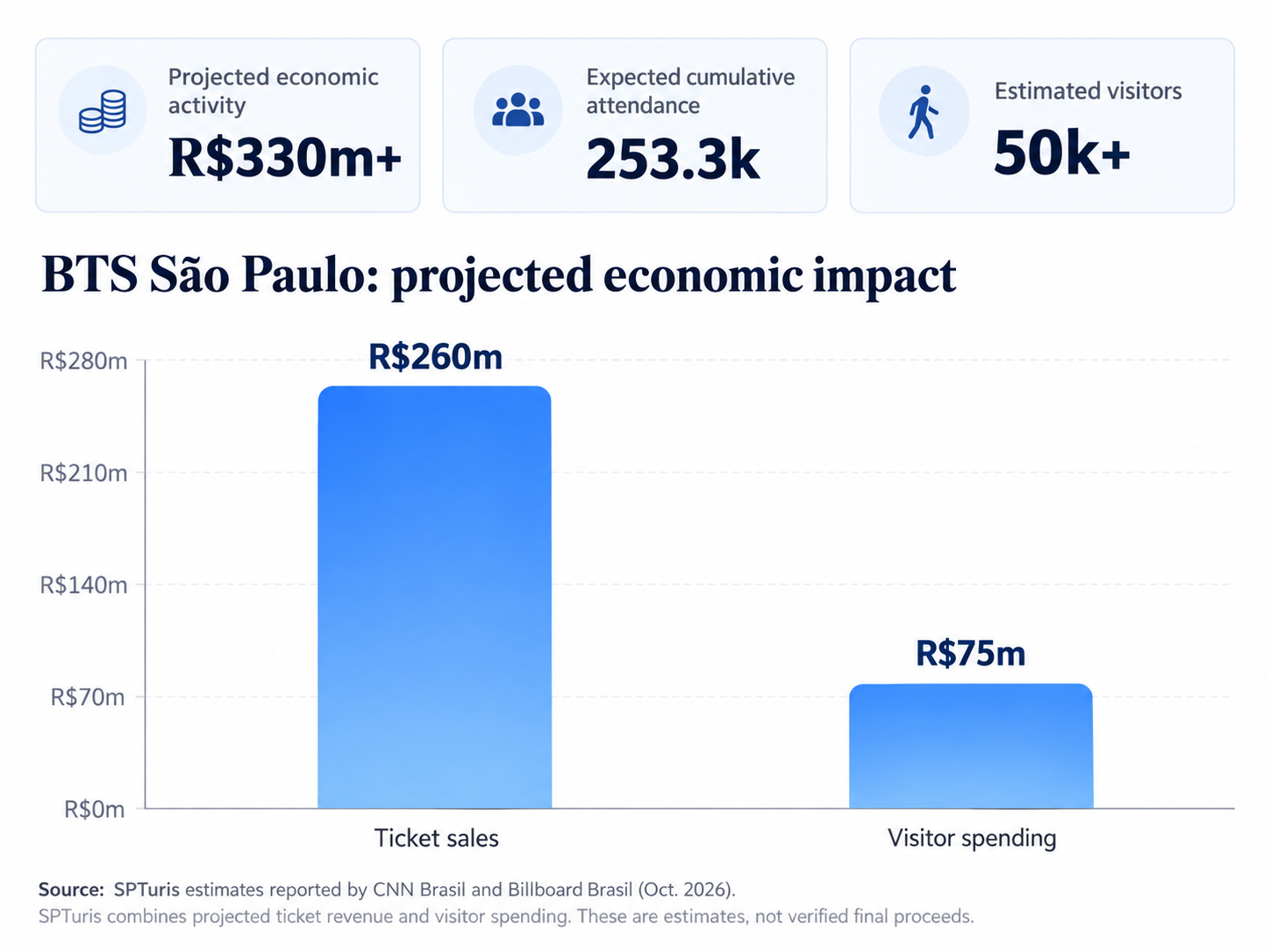
These are rounded figures. Nearly R$260 million plus about R$75 million suggests roughly R$335 million, explaining why Brazilian outlets use the careful formulation “more than R$330 million.” The model is sensitive to its assumptions: fewer out-of-town guests, multiple-night concertgoers or lower average spending would affect the final tourism figure.
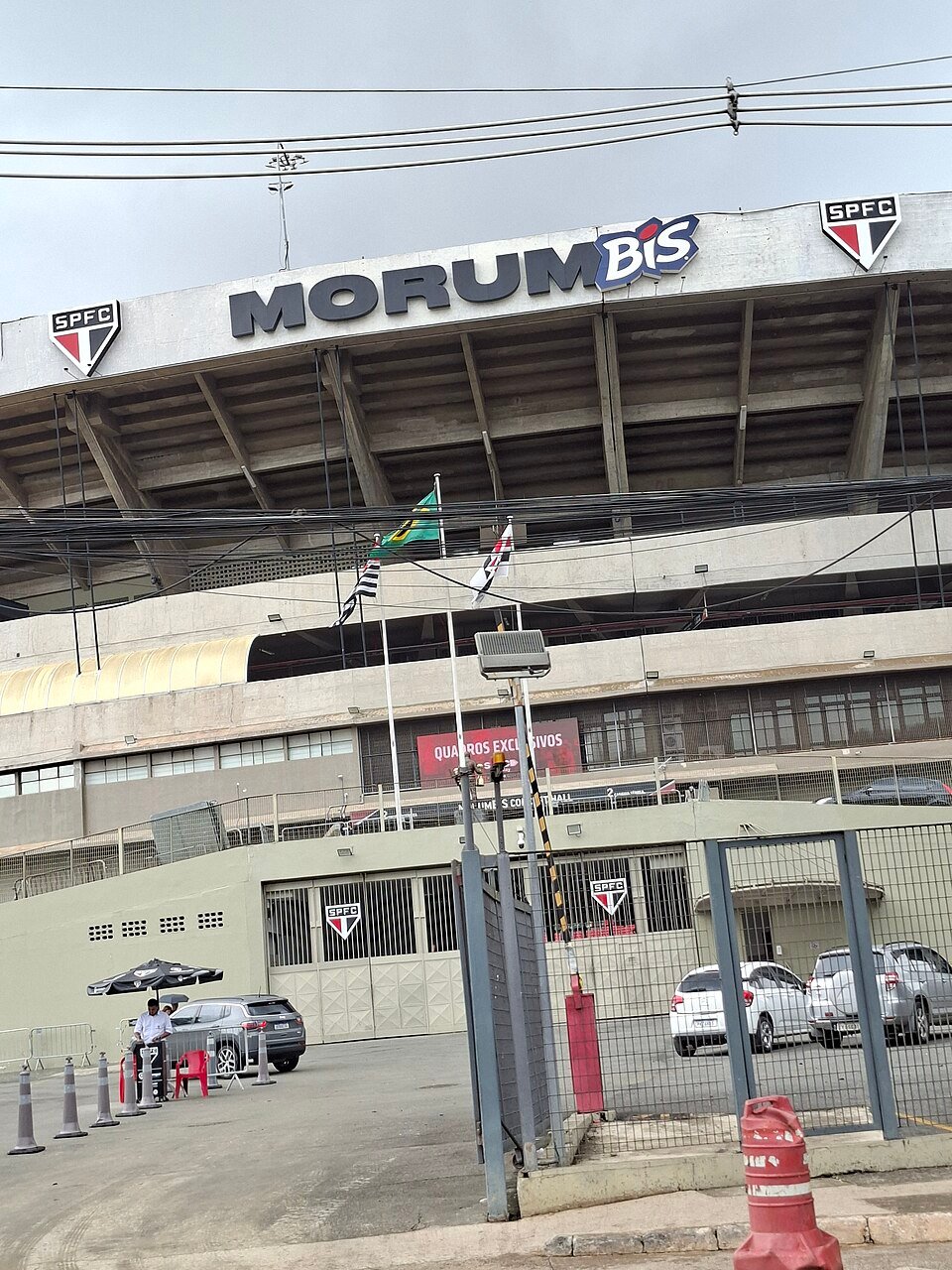
Why ticket revenue is not the same as local profit
The largest number in the forecast also carries the biggest risk of misinterpretation. The ticket price is not automatically money earned by São Paulo hotels or restaurants. Revenue can be distributed among promoters, artists, venues, ticketing platforms, production suppliers and other contractors. Some of that money stays in the city; some does not. Production expenses and taxes also matter.
Brazilian magazine VEJA provided a useful glimpse into that distribution. Based on the reported agreement for using MorumBIS, it estimated that São Paulo FC, the stadium’s football-club operator, could receive about R$14.52 million from the three BTS concerts. Its estimate combines fixed rental payments, negotiated extras and an attendance-linked payment. Revenue shares from concessions and merchandise were not yet determined.
This does not mean the stadium has already collected R$14.52 million in cash, much less booked that sum as net profit. It is a contractual estimate. Nor should it simply be added to the R$330 million forecast as an entirely new category: stadium-related payments form part of the underlying concert economy already captured by ticketing and associated activities.
The most important money may be spent far from the stadium
For a visitor, the concert is rarely the only expense. A trip from another Brazilian state might include two or three nights of accommodation, local trains or rideshares, shared meals, shopping and sightseeing. International fans may add a longer itinerary. One concert ticket can anchor many purchasing decisions.
This is where the city’s tourism industry has a real opportunity. The visitor-spending projection points to businesses that have little direct connection to the music industry: small restaurants, cafés, transport operators, accommodation providers and retailers. The effect is not necessarily distributed evenly. A hotel convenient to a transport hub can experience a different weekend from a business in another part of the city.
São Paulo also has established Korean cultural and dining destinations. Areas such as Bom Retiro and Liberdade may appeal to fans who want the visit to include Korean food, shopping and wider cultural experiences. But their potential relevance is not proof that any particular share of the estimated R$75 million was spent there. No verified neighborhood-level spending breakdown has been published.
Huge online ticket demand is not a tourist census
The scale of interest was unmistakable. More than 630,000 people entered Ticketmaster’s online purchase process when sales opened in April, according to the figures reported in Brazil. The three concerts sold out in under 90 minutes. Industry reporting also described potential demand for more than 1.2 million ticket entries when the average number sought per customer was considered.
Those numbers say that demand exceeded supply by a remarkable margin. They do not mean 1.2 million people traveled to São Paulo, or that each person in the ticket queue bought a seat. Online purchasing attempts, actual sales, stadium admissions and unique out-of-town visitors are four different measures. Treating them as interchangeable would inflate the economic narrative.
The same caution applies to SPTuris’s 20% tourist-share assumption. Because the reported audience is an aggregate across three dates, repeat attendees can make admissions and individual visitors diverge. To estimate realized travel spending, researchers would ideally know how many distinct visitors came, where they stayed and what they spent outside the concerts.
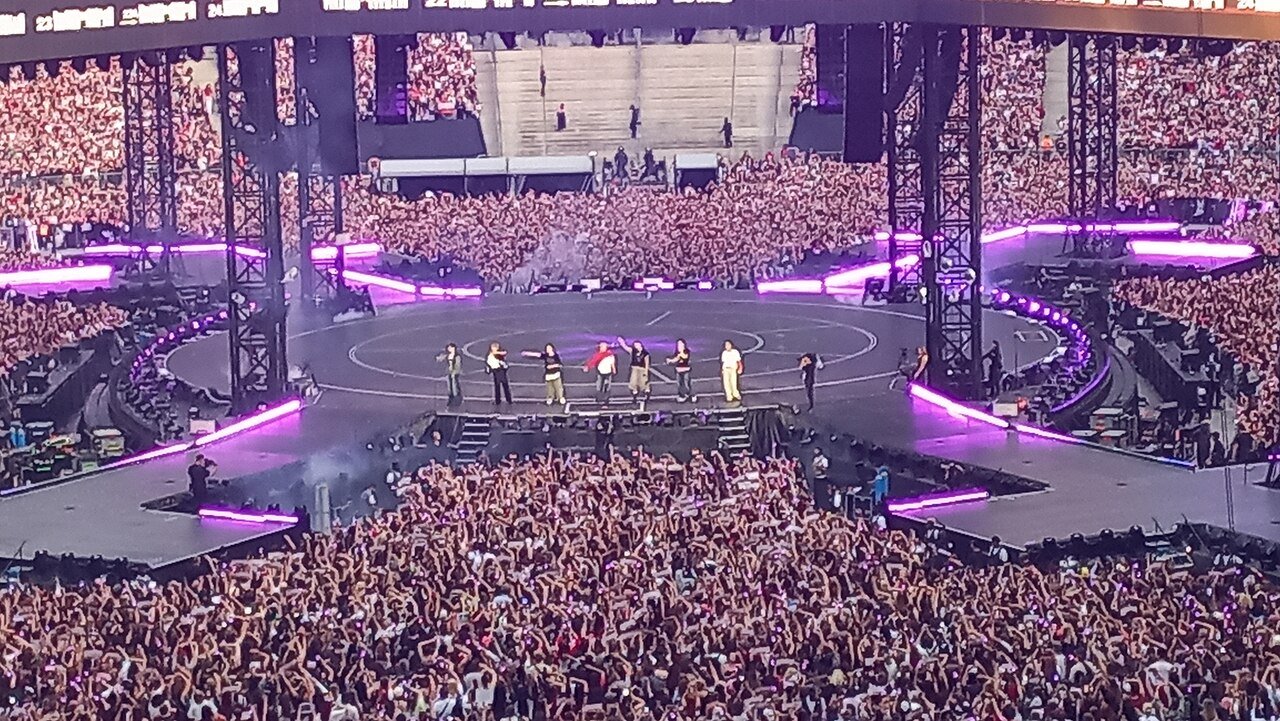
What a K-pop concert can teach a city about tourism
For a global artist such as BTS, a concert can determine where a fan spends a holiday. That creates possibilities for the host destination that extend beyond the promoter’s ticket receipts. A city may encourage visitors to stay longer, discover new neighborhoods and spend with local businesses that normally would not benefit from international touring.
It also brings costs and trade-offs. Large gatherings require mobility planning, crowd management, staffing and public services; residents and ordinary commerce may experience disruption. An evaluation of net economic benefit would need to account for those costs, identify spending that would otherwise have happened in São Paulo anyway, and distinguish revenue retained locally from money leaving the city.
SPTuris’s R$330 million estimate does not perform all of that accounting. It describes the scale of projected transactions linked to the event. That is a useful indicator of potential, but it is not equivalent to a measured rise in São Paulo’s GDP or proof that the host city earned R$330 million in additional income.
The real question comes after October 31
After the final show, the most revealing numbers would be less dramatic than the original headline: hotel occupancy compared with similar weekends, average length of stay, visitor origin, transport usage, consumer spending and any independently measured change in local business sales.
For K-pop analysts, the broader story is clear even before those figures arrive. Music fandom now shapes travel decisions on a global scale. What makes the São Paulo case worth following is not only the enormous projected value, but the challenge of measuring how a cultural event turns into an actual, lasting local economic benefit.
The careful conclusion is this: SPTuris forecasts more than R$330 million in ticket-related activity and tourist spending connected to BTS’s three São Paulo shows. That is impressive enough without describing a projection as confirmed profit.
Related KWaveScope analysis
- K-pop Is Reshaping South American Cities: What BTS, Bogotá and Lima Reveal
- Brazil’s K-pop Streams Rose 213%: What Happened Off Spotify
- BTS South America Tour 2026: All 14 Shows Across Five Cities
Sources and image licensing
- Billboard Brasil (October 21, 2026), citing São Paulo Turismo’s projected ticket receipts and tourist spending.
- VEJA (October 29, 2026), analysis of potential revenue to MorumBIS operator São Paulo FC.
- Photo sources: Edson Nagase / Pexels (São Paulo skyline); Ferik80 / Wikimedia Commons (CC BY 4.0, stadium exterior); Chiyako92 / Wikimedia Commons (CC BY-SA 4.0, Paris concert). Each photograph is identified with its actual subject and location.
Reporting note: The financial figures above are forecasts reported before the complete three-show run. They must not be presented as audited results or net profit.