October 25, 2026 | KWaveScope · K-POP INSIGHTS
A catchy song can keep a movie in people’s heads long after the credits roll. KPop Demon Hunters is going a step further: its music and characters are turning up in places where fans can create something of their own, or simply charge their phones. Two October partnerships — one with the children’s game Toca Boca World, the other with U.S. retailer Target — show how the animated Netflix hit is finding a life beyond streaming.
The timing is revealing. Toca Boca plans to introduce KPop Demon Hunters fashion and songs on October 27, 2026. Target’s tech-accessory brand heyday, meanwhile, began selling film-inspired headphones, speakers, chargers and lights on October 11. These aren’t new episodes or music releases; they’re new ways for people to spend time with a world they already know.
Taken together, the launches reveal two ways of keeping a film in the cultural conversation. The game invites fans to play with the characters and songs; the products put those same characters into everyday routines. Neither company has disclosed the partnerships’ sales figures or licensing revenue, so their commercial impact remains to be seen.
Inside the Toca Boca World crossover
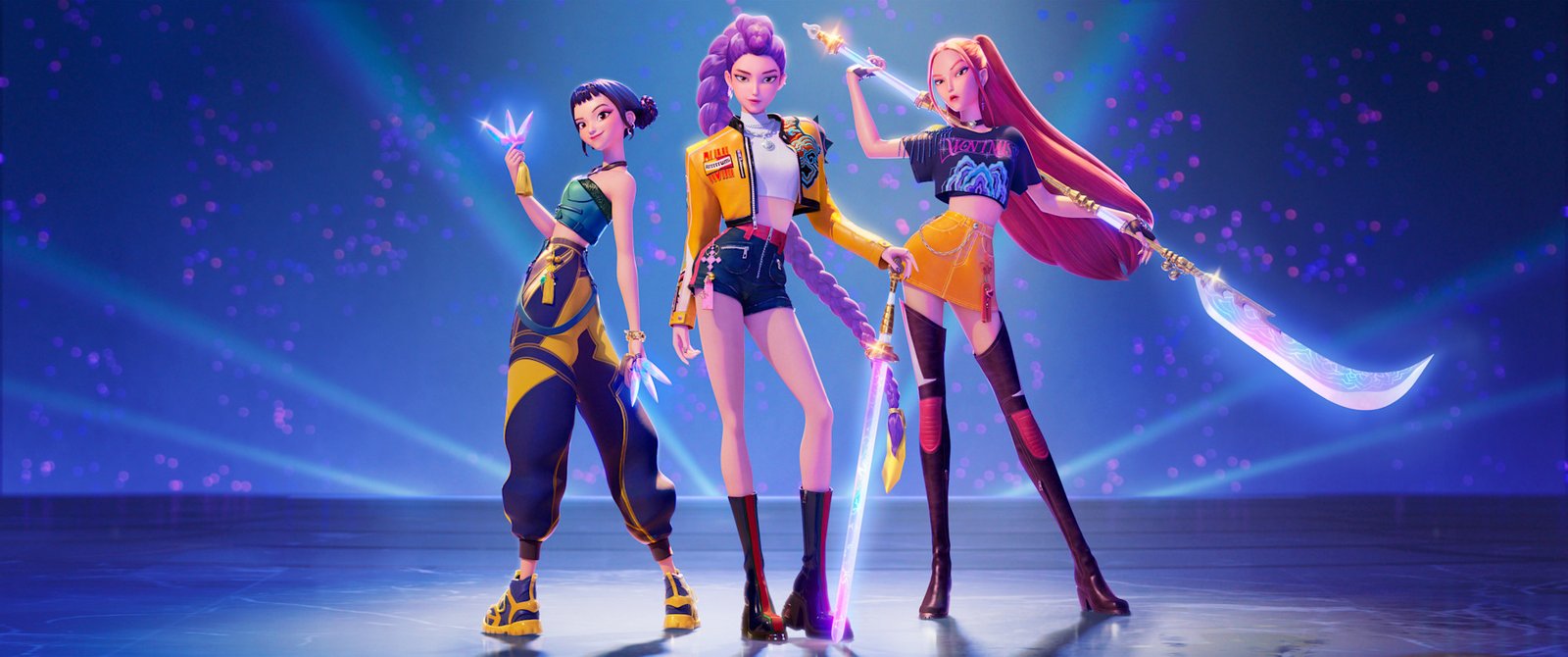
Announced by Spin Master’s Toca Boca studio on October 15, the crossover will arrive inside the existing Toca Boca World app on October 27. Rather than putting players through the film’s storyline, it will offer looks inspired by the HUNTR/X members, the Saja Boys and other characters for players to mix into their own stories.
That fits the spirit of Toca Boca World, a game built around open-ended play. A child could dress a character for an imaginary concert, set up a backstage room or weave the movie’s costumes into an entirely different story. The appeal lies in not having to follow the film’s plot.
Toca Boca says the app has nearly 60 million players. That gives the collaboration a potentially large audience, but it doesn’t tell us how many will try the new outfits or music feature. Those figures won’t be clear until after launch, if they’re released at all.
The soundtrack is part of the draw. An in-game music player will feature four songs from the film: “How It’s Done,” “Golden,” “Soda Pop” and “Your Idol.” Players will be able to use them as background music for scenes they make, turning a song heard in a movie into part of their own story.
The songs will be available in the game for a limited time. Toca Boca hasn’t specified an end date in the announcement, or confirmed that every part of the crossover will be free. The music itself isn’t new; what’s changing is how people get to use it.
There’s a separate Toca Boca Jr: Kitchen update tied to Netflix’s games offering, but it isn’t the same project. The October 27 release discussed here belongs to Toca Boca World.
From the screen to Target’s tech aisle
Target’s approach is more tangible. On October 11, its in-house accessories brand heyday launched five types of KPop Demon Hunters tech merchandise in U.S. stores and online. The lineup includes headphones, a soda-can-shaped Bluetooth speaker, a ramen-themed charging kit, a light-up power bank and a soft Pat Pat desk light.
Fans will recognise the references. The “Soda Pop” speaker takes its shape from a drinks can, the charging set draws on the film’s ramen imagery, and the Pat Pat lights turn characters such as Derpy and Sussie into bedside companions. These aren’t display-only collectibles. They’re everyday gadgets dressed in the film’s visual language.
Target’s own listings show different designs, from HUNTR/X-branded power banks to character-themed desk lights. The collection is currently a U.S. Target release; there’s no confirmed equivalent international rollout. Product availability also varies by location.
Each of the five initial product types launched at US$20, according to Variety. That’s an accessible price point for licensed tech merchandise, although retail prices and availability can change. Another wave of gaming and creator accessories is planned for November 8; its full lineup and pricing have not yet been detailed.
What the companies have not shared is just as relevant: there’s no public sales total for the collection or royalty breakdown for the film’s rights holders. For now, the products offer evidence of wider licensing ambitions, not proof of a financial windfall.
Two ways to make a fictional universe feel real
One partnership lives inside a game; the other sits on store shelves. What connects them is the chance for fans to bring the film into their own lives, whether by making up stories with its music or using its characters on everyday devices.
How the two collaborations compare
| Question | Toca Boca World | Target heyday |
|---|---|---|
| What fans receive | Character fashion and a music player | Lighting, audio and charging accessories |
| How they participate | Create characters and stories | Use objects in everyday spaces |
| Where it happens | Inside a mobile game | Target stores and Target.com in the United States |
| Timing | Scheduled October 27 | Initial products launched October 11 |
| Important limit | Temporary music access; exact purchase terms undisclosed | Prices and stock can change; sales results undisclosed |
A player might choose “Golden” as the soundtrack for an imaginary concert. It’s a familiar impulse in pop fandom: people don’t only listen to songs; they build their own stories around them, through dances, costumes and fan art.
The Target range reverses that relationship. Instead of entering a fictional space, fans bring its characters into their bedrooms and onto their desks. A power bank doesn’t offer a new story, but it can keep a favourite character in view long after the movie is over.
Why the music matters as much as the characters
There’s an advantage to building a franchise around fictional musicians: the songs can have a life of their own. A favourite track can turn up on a playlist, in a dance video or, now, inside an imaginary Toca Boca concert — without anyone having to watch the film again.
KPop Demon Hunters is particularly suited to that model because its fictional performers already have distinct visual identities and memorable tracks. HUNTR/X and the Saja Boys exist as story characters, but they also have the imagery and repertoire of fictional pop acts. Translating that combination into a styling game or a speaker does not require audiences to know every detail of the film’s plot.
There is also a limit to the comparison with real K-pop. Fictional performers do not face the same touring, training and member-management realities as human artists. The shared industry logic is different: visual branding, emotionally familiar music and fan interaction can make a property useful across more than one medium.
The missing numbers behind the excitement
No one has disclosed how much the rights holders are being paid, how many Target items have sold or how many Toca Boca World players intend to use the themed content. The game’s overall audience gives the collaboration reach, but reach and results aren’t the same thing.
Licensing agreements create opportunities, not guaranteed profits. The interesting results would be repeat use in the game, continued interest in the music and demand for Target’s products after the initial promotional push.
The timing also stretches attention across several weeks: Target’s first collection arrived on October 11, the game is due to update on October 27, and a second retail drop is planned for November 8. That creates multiple moments for fans to revisit the film’s world without a new film release. Whether interest lasts beyond those dates is another matter.
What to watch after October 27
First, player participation. Does Toca Boca disclose how many players actually use the themed fashion and four-song music player, rather than only reporting its overall audience? That would help show whether the collaboration connected with users.
Second, sustained product demand. Are Target’s devices still selling after the early publicity, and does the November 8 gaming-accessory expansion happen as planned? Public product pages can show which items are offered, but not a complete picture of revenue or profit.
Third, cross-platform listening. Do the songs remain active in cultural conversation as they reach new creative settings? The two companies have not published data proving that the game creates incremental streams, so any claimed streaming impact would require independent evidence.
Key dates
| Date (2026) | What happened or is planned | Status on October 25 |
|---|---|---|
| October 11 | Target heyday launches its first five KPop Demon Hunters tech-product types | Launched |
| October 15 | Toca Boca / Spin Master announces its collaboration with Netflix’s film | Announced |
| October 27 | Toca Boca World fashion-and-music collaboration scheduled to begin | Upcoming; not yet live |
| November 8 | Further Target gaming and creator accessories planned | Upcoming |
Sources
Toca Boca / Spin Master — official release, October 15 · Variety — Target heyday product report, October 11
KWaveScope insight: The real achievement of a crossover isn’t getting a character onto another screen or product. It’s giving fans a reason to come back. For KPop Demon Hunters, the next measure of success will be what players create and what shoppers keep using once the launch publicity has faded.
Reporting date: October 25, 2026. Launch dates, prices and availability may change. Analysis is editorial interpretation; neither company has disclosed sales totals or collaboration revenue.