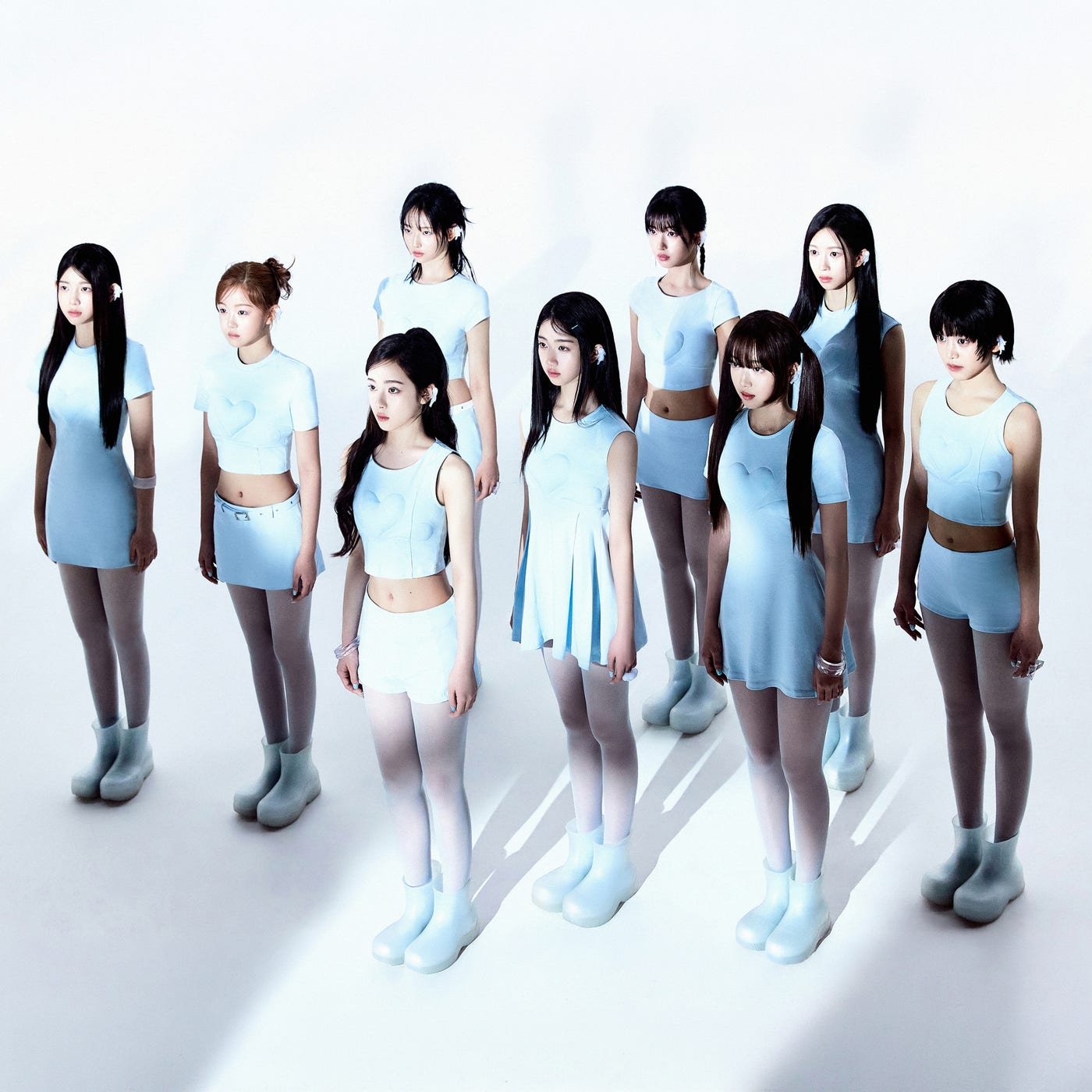
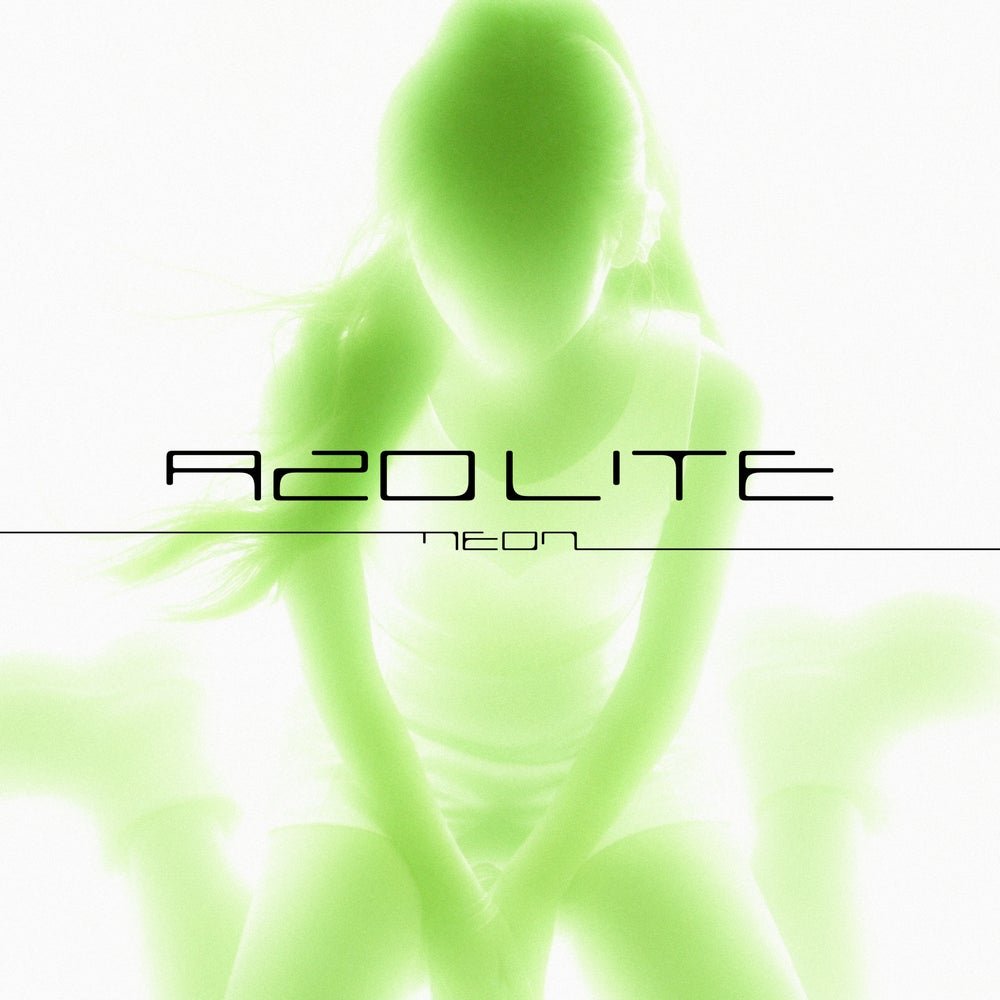
A2O LITE’s debut single “NEON” has passed the 30-million-view mark on the group’s official A2O WORLD YouTube upload, according to a channel-tracking snapshot dated October 31, 2026. Just as striking is what people did with its choreography: instead of mastering the dance, they began replacing the dancers’ faces with people who had never performed it.
Short AI-generated clips have placed producers, television personalities and fictional characters into the opening two-person routine. A joke that once required costumes, rehearsal and a camera can now circulate as a synthetic performance. For a nine-member rookie act that debuted on October 13, the result is a revealing collision of K-pop promotion, internet humor and generative video technology.
The most interesting question is not whether a meme “caused” a hit. View counts and social posts alone cannot prove that. The more revealing question is how an instantly recognizable piece of choreography became a template that anyone could reimagine — and what the music industry stands to gain or lose as a result.
A2O LITE and the NEON AI meme: what actually happened
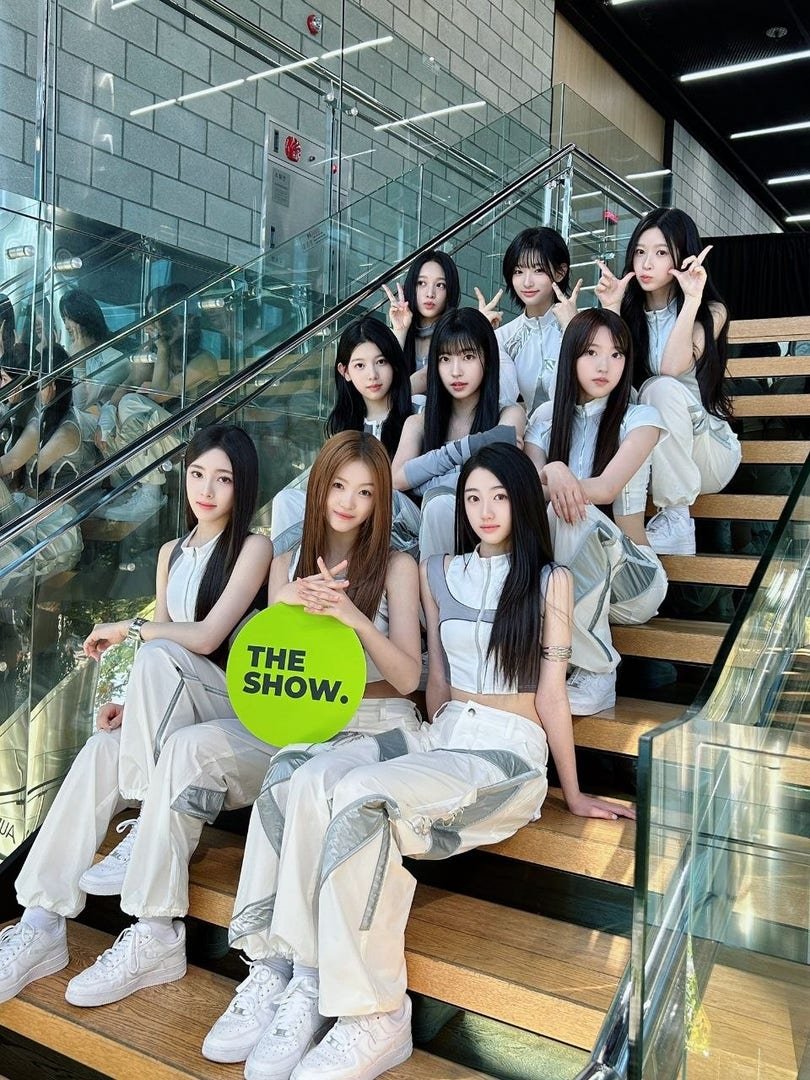
Produced under Lee Soo-man’s A2O Entertainment, the nine-member A2O LITE launched “NEON” on October 13. The song reached No. 1 on Melon’s Top 100 on October 14, about 29 hours after release, according to the company’s official announcement. A week later, the group won its first music-show trophy on SBS Life’s The Show. Those results created a public stage for a song whose opening dance was already being reinterpreted online.
The pair at the center of the trend are XILI and AIJING. Their synchronized opening section featured a compact duet, clearly defined choreography and an instantly recognizable shot. Face-replacement videos could keep the motion while supplying an entirely new cast. That makes them synthetic parodies, not authentic performances by the people whose faces appear.
Sunny, formerly of Girls’ Generation, shared a parody presenting Lee Soo-man and producer Yoo Young-jin in the routine. Broadcaster Jung Jun-ha posted one featuring himself and Park Myung-soo. Other edits used characters and public figures from film, television and business. Korean reporting documented the proliferation of these short clips on Instagram and other social platforms.
The 30-million-view milestone needs context
| Date | What happened | What the figure means |
|---|---|---|
| Oct. 13, 2026 | “NEON” digital single released | Confirmed release date |
| Oct. 14 | No. 1 on Melon Top 100 within 29 hours | A reported chart milestone, not a count of listeners |
| Oct. 20 | First music-show win on The Show | Confirmed by A2O Entertainment |
| Oct. 31 | Official A2O WORLD “NEON” video passed 30 million views | Third-party YouTube channel-tracker snapshot, not unique viewers |
By October 31, a third-party tracker of A2O WORLD listed more than 32 million views for the channel’s official “NEON” video. That supports the claim that the specific upload had exceeded 30 million, although public counters continue to change and trackers may capture different times. It is not a total for every upload across all distributors, a tally of unique people or a measure of how many views came from AI parody clips.
The difference matters: a music-video play, an AI remix play, a streaming-chart position and a purchased album are distinct indicators. They can reveal different forms of attention without proving which one drove another. Some coverage has also raised questions about unusually rapid engagement growth; that is a reason to be careful with causal claims, not proof that either the audience or the trend was fabricated.
Why this is different from a traditional K-pop dance challenge
The familiar dance challenge asks fans, celebrities and fellow idols to learn recognizable steps and perform them on camera. The physical effort is part of the appeal: fans show skill, effort, personality and their connection to the original artist. “NEON” still has conventional dance covers, but its AI spin-offs introduce a different participation model.
From “dance with the artist” to “recast the clip”
People can now participate through selection rather than performance. The creative decision becomes who should appear to be dancing? Two unexpected faces can provide the entire joke; the choreography and camera movement stay recognizable. The story is no longer exclusively about performing well. It is also about the humor of an impossible pairing that the viewer instantly understands.
Two faces make a small, portable joke
The intro’s short duet format suits rapid remixing. Viewers need only recognize the original motion and the new identities to understand the twist. A dramatic hairstyle, an unlikely celebrity pairing or a comparison between two generations of pop culture can give the same footage a different punchline each time.
In Korea, the music also circulated through a mondegreen — English sounds heard as unexpectedly funny Korean words. Reporters described playful mishearings of its hook, including a Korean-language pun that sounds like “mihon and bihon” (“unmarried” and “choosing not to marry”). Those phonetic jokes gave the song another route through social feeds, independent of the technology. AI face replacement and lyrical wordplay reinforced the same basic habit: people were remaking the material, not simply replaying it.
How AI lowers the barrier to joining the joke
Video-editing systems such as Higgsfield’s Genjutsu describe the ability to replace a person or object in source footage while preserving the underlying movement and camera timing. Reporting on the “NEON” trend cited face photos and a short dance reference as the ingredients of the new edits. The key cultural shift is not a specific app: it is the declining technical effort required to create an alternative version of a familiar performance.
That changes the economics of attention. A challenge that once depended on dancers, a rehearsal space, costumes and recording time may now attract participants who are comfortable making images but would never upload themselves dancing. Each variation can circulate through a different audience — comedy fans, K-pop listeners, sports supporters or followers of a television personality.
Yet easier production does not mean unrestricted use. Synthetic footage may involve protected music, a copyrighted original clip and a person’s likeness. Availability inside an editing tool does not establish that the creator has permission to use all three.
The opportunity for labels — and the limits of viral marketing
A successful remix format can let a new act travel beyond its established fan community. Instead of sending viewers a promotional video that asks for attention, the public passes along a joke that happens to carry the group’s song and signature movement. Repetition may strengthen recognition of both the track and the performance.
But reach is not necessarily loyalty. Millions of short-form views may mean the audience enjoys a joke, not that it knows the group’s members, streams the complete song or follows their next release. What matters to a label is whether a fleeting trend becomes a recognizable artist identity and eventually a sustained audience.
A2O Entertainment’s own October 21 statement acknowledged the spread of fan-made parodies, including AI-based reworkings. That confirmation is meaningful: the trend was visible enough to become part of the label’s public debut narrative. It does not show that every remix was commissioned, endorsed or cleared by the agency.
The consent problem behind the funny face swaps
An AI-generated video that looks like a TV presenter, executive or film character dancing can be harmless-looking satire. It can also blur the distinction between consensual participation and unwanted impersonation. A person’s image may be used without permission, and a clip detached from its original caption can circulate as though it records a real event.
Rights questions occur on several layers. The dancer’s original performance, the recorded music and a substituted person’s face may involve different owners or interests. The safest editorial practice is to label synthetic clips clearly, avoid presenting them as genuine footage, obtain consent where needed and check the rules of the platform and relevant jurisdiction before republishing them.
Keeping that distinction clear also protects the artists. A2O LITE performed the original choreography, while a synthetic video can imitate the camera view without capturing the group’s real performance. Confusing the two would undermine the very authorship that makes the dance recognizable.
What NEON could change about K-pop internet culture
The next generation of K-pop challenges may involve more kinds of participation than the traditional cover dance. Fans can draw, cut, caption, translate, parody and now computationally recast a performance. What connects these activities is the idea that a piece of pop music becomes a shared template for people to do something with.
“NEON” is a vivid example rather than proof that every future hit will depend on AI. Its choreography was distinctive, its musical hook invited wordplay and the debut attracted strong attention on established charts. Generative video joined an already active mix of fan behavior. The result illustrates a broader change: some audiences now expect to make a version of pop culture, not merely consume the original.
For K-pop companies, the opportunity is enormous if the relationship remains transparent. For creators and platforms, the challenge is equally clear: make room for playful transformation without treating someone’s likeness, performance or music as an unlimited resource.
Watch the original NEON music video
Original A2O WORLD music video, not an AI face-swap. The viral clips discussed above were synthetic parodies made by various users.
Related KWaveScope coverage
- A2O LITE — official KWaveScope artist profile
- A2O LITE Wins First Music-Show Trophy With “NEON” Seven Days After Debut
- Hidden Faces, Real Voices: What PLAVE Reveals About K-pop
Sources and photo credits
- A2O Entertainment Japan — official music-show and AI remix announcement; photo credit.
- Newsis — reporting on the AI face-swap challenge.
- Digital Creators — October 31, 2026 video-view snapshot (not unique viewers).
Editorial note: This article discusses synthetic parody clips without reproducing any person’s AI-altered likeness. “More than 30 million views” refers to a time-stamped independent tracker of one official YouTube upload, not unique viewers or proof of marketing causation. All photos above are authentic agency-supplied promotional material or single artwork; none is an AI dance meme.