Seoul is taking its tourism campaign from social media feeds to billboards in some of the world’s busiest cities. On November 10, 2026, the Seoul Tourism Organization announced a seven-city overseas advertising rollout for “Absolutely in Seoul,” featuring aespa members Karina and Winter alongside RIIZE. According to the organization, the campaign had already surpassed 500 million combined YouTube and social media views within about a month of its September launch.
Those numbers invite a bigger question. Can fans’ affection for their favorite artists inspire them to book a flight, explore Seoul’s neighborhoods and spend money at local businesses? For Seoul, K-pop is more than a recognizable cultural export. It can make a distant destination feel personally familiar.
From Times Square to Shibuya: seven cities, one message
The outdoor rollout brings the campaign to public spaces where people can encounter it without following a K-pop account. Times Square in New York and the Shibuya crossing area in Tokyo are particularly recognizable settings. Bangkok is also included in the November rollout, while Beijing, Shanghai, Taipei and Jakarta are part of the wider program.
| Market | Advertising schedule |
|---|---|
| New York | November 2–29, 2026 |
| Tokyo | November 2–20, 2026 |
| Bangkok | November 1–30, 2026 |
| Beijing, Shanghai, Taipei and Jakarta | Staggered rollout |
Why aespa and RIIZE work as tourism ambassadors

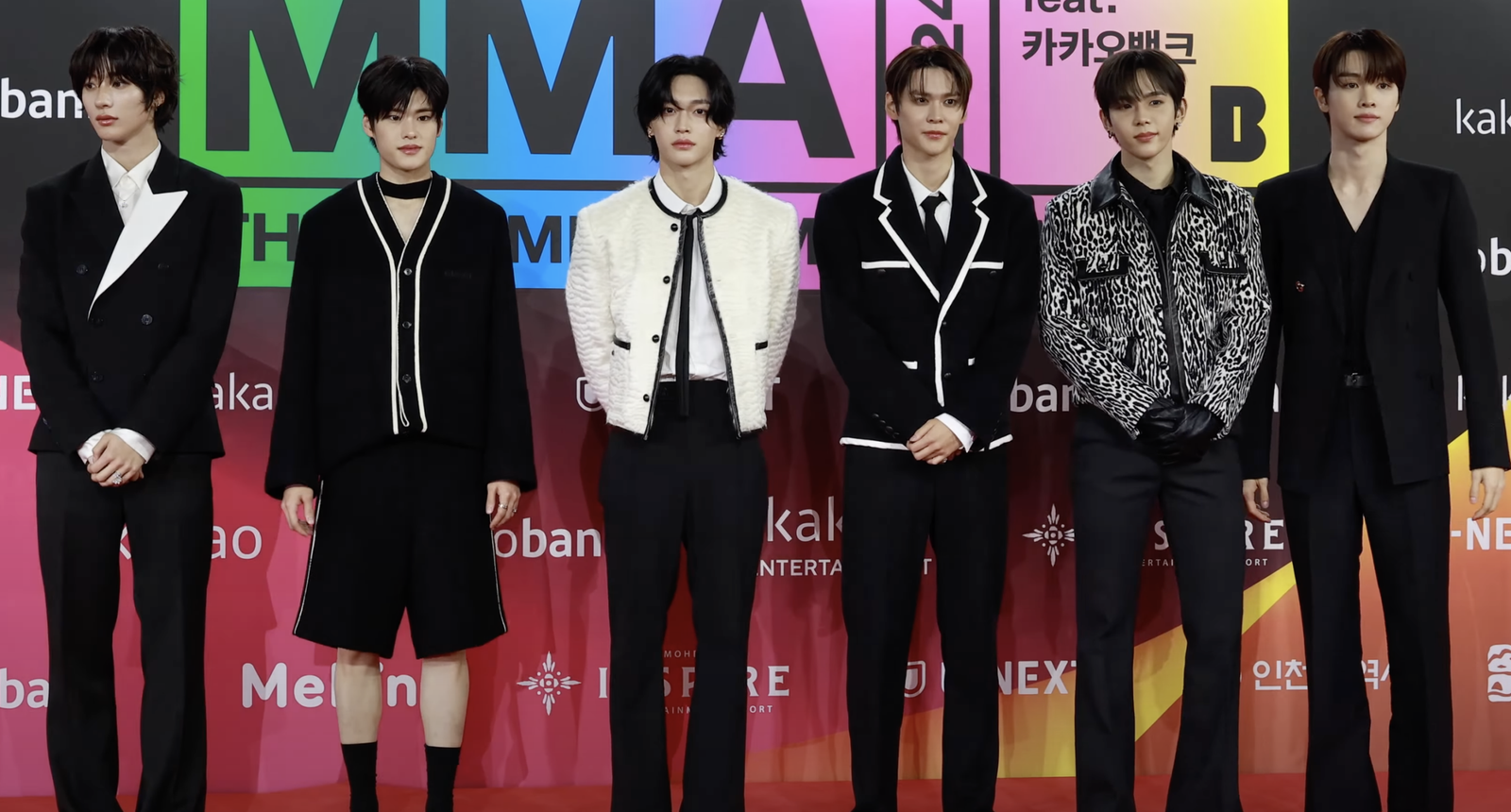
A tourism ambassador does not need to explain every attraction to be effective. Familiar artists can make an unfamiliar destination feel approachable. Karina and Winter bring the international visibility of aespa, while RIIZE reaches its own community of listeners and fans. Together, they help Seoul reach different audiences already drawn to Korean music, fashion and entertainment.
Fans often seek out the real places behind music videos, fashion shoots and performances. A destination campaign builds on that curiosity by introducing experiences available to ordinary visitors even when the artists themselves are not present. The real opportunity lies in turning fans’ admiration for their favorite artists into a genuine desire to explore Seoul.
What 500 million views can and cannot tell us
On October 22, the Seoul Tourism Organization reported over 500 million combined campaign video views, more than 180,000 social shares, over 760 overseas media reports and at least 216 pieces of independently created related content on Instagram and X.
The figures demonstrate the campaign’s broad reach, but they do not mean that 500 million individuals watched it or reveal how many viewers booked a trip. One viewer may watch the same video multiple times or across several platforms. The reported figures also do not establish the proportion of views attributable to paid advertising.
The distinction between attention and action matters. Views indicate exposure; travel searches and saved itineraries suggest interest; completed visits and actual visitor spending offer stronger evidence of conversion. Measuring the campaign’s contribution would require accounting for other reasons people visit Seoul, including exchange rates, airline capacity, concerts and seasonal demand.
When the city becomes part of the fan experience
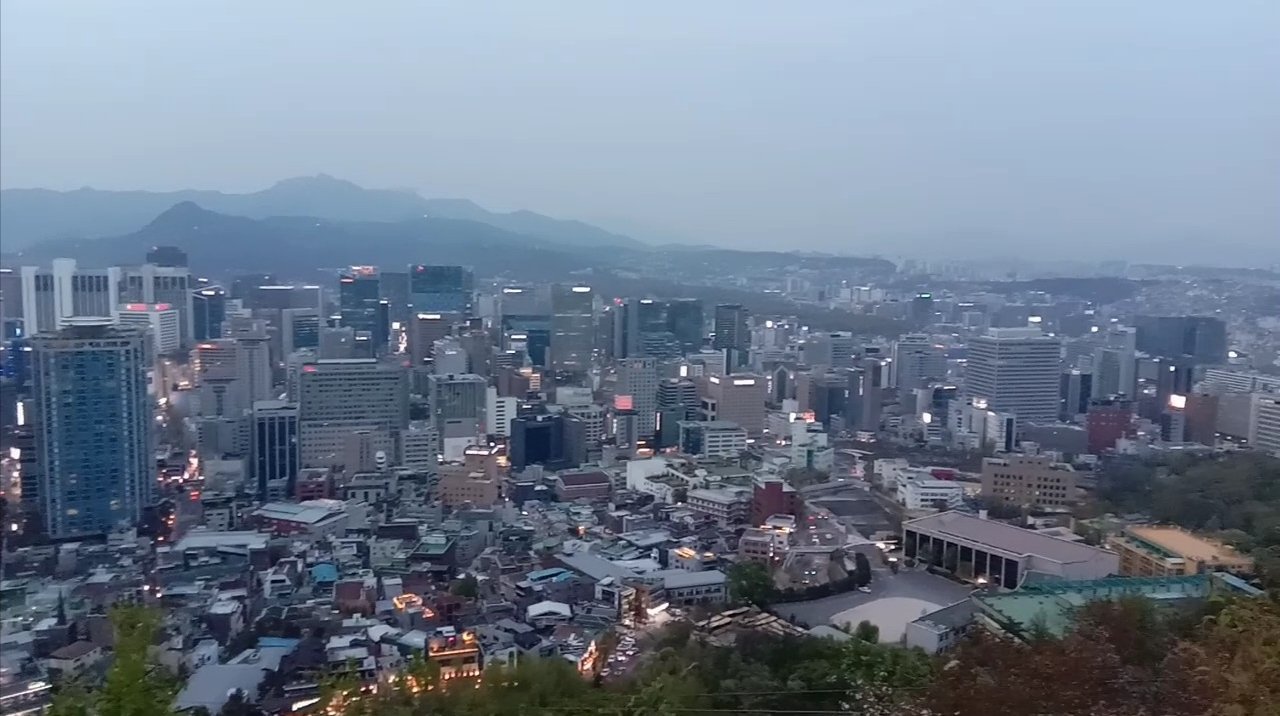
The campaign’s “Seoul Syndrome” concept highlights the appeal of everyday experiences. The featured settings include the Han River, the illuminated Dongdaemun Design Plaza, Euljiro at night and historic Jongno neighborhoods. These places allow viewers to picture a trip that goes beyond attending a concert.
Nighttime tourism offers a particularly interesting opportunity for local businesses. Visitors who stay out after an event or spend an evening in a neighborhood may create demand for restaurants, transport, shops and accommodation. The campaign has not yet demonstrated that it increased those businesses’ revenue. It does, however, show why the visitor experience after a concert matters to city marketing.
How fans can turn inspiration into a practical trip
- Music and fandom: Start with publicly accessible album shops, pop-ups or confirmed concerts. Check event dates and do not assume the advertised artists will be present.
- Neighborhood culture: Discover Ikseon-dong and Euljiro for the contrast between historic buildings and contemporary Seoul.
- Nighttime experiences: Add a Han River walk or a skyline view. Check weather, hours and return transport before heading out.
- Travel planning: Use KWaveScope’s guide to booking K-pop experiences in Korea to distinguish confirmed events from promotional content.
These are illustrative travel ideas, not a verified itinerary followed by aespa or RIIZE. Successful tourism promotion should make the next step easy: explain where to go, how to get there and which experiences can be booked.
From Jennie to a broader artist-led strategy
The artist-led approach builds on Seoul’s 2025 “Absolutely in Seoul” campaign featuring Jennie, documented by Visit Seoul. In 2026, Karina, Winter and RIIZE extend the approach through several performers with distinct fan communities. The city maintains a consistent destination identity while reaching audiences with different tastes and travel interests.
There is a trade-off. Celebrity marketing can generate immediate attention, but long-term tourism demand must survive beyond the next comeback. Seoul’s advantage will depend on the depth of its cultural experiences and how easily international visitors can discover them.
Four indicators that would demonstrate a real tourism return
- Travel intent: Changes in Seoul-related searches, visits to tourism websites and itinerary downloads in advertised markets.
- Conversion: Completed visits, bookings and visitor surveys that identify the campaign as one influence on travel decisions.
- Local economic activity: Length of stay, expenditure and distribution of spending across neighborhoods, measured against appropriate baselines.
- Repeat visits: Evidence that visitors return for the city itself rather than only for an artist’s event.
The November rollout illustrates how K-pop fandom can become an entry point for destination marketing. The campaign has brought Seoul considerable visibility online and on the streets of major cities. Its next test is more difficult to measure, but ultimately more important: whether the people who see Seoul on a screen choose to experience it in person.
Related KWaveScope reading
- aespa travel guide: fan landmarks and filming locations
- SM Entertainment: company history and artists
- SM Entertainment’s 2027 growth strategy
Sources
- Seoul Tourism Organization, November 10, 2026 — outdoor advertising rollout.
- Seoul Tourism Organization, October 22, 2026 — reported campaign metrics and featured experiences.
- Visit Seoul, September 2025 — Jennie’s campaign.
Image licenses: Seoul skyline, CC0; aespa archive photo (CC BY 4.0); RIIZE archive photo (CC BY 3.0). Artist photographs are archival and not official campaign imagery; they were resized by WordPress. Campaign figures are organizer-reported and do not measure unique viewers or verified visitor spending.