SM Entertainment’s third-quarter operating profit fell 26.4% year on year, but the earnings report tells a more complicated story than a simple slowdown. Domestic album activity weakened, while merchandise and licensing continued to grow. The key question for 2027 is whether RIIZE, Hearts2Hearts, NCT WISH and aespa can turn expanding international attention into a more balanced, sustainable business.
On November 4, 2026, SM reported consolidated revenue of KRW 291.1 billion for the July–September quarter, a 9.5% decline from the same period in 2025. Operating profit fell to KRW 35.5 billion, down 26.4%, and the company recorded a KRW 1.1 billion net loss. Currency-related losses contributed to the net loss. These figures describe the quarter’s performance, not what SM will necessarily earn in 2027.
| Business metric | Q3 2026 | Year-on-year |
|---|---|---|
| Consolidated revenue | KRW 291.1 billion | −9.5% |
| Operating profit | KRW 35.5 billion | −26.4% |
| Merchandise and licensing revenue | KRW 62.1 billion | +23.5% |
| Artist appearance revenue | KRW 29.2 billion | +21.3% |
| Net result | KRW 1.1 billion loss | Turned negative |
Why did SM’s third-quarter profit fall?
SM attributed much of the weakness to a shift in its activity schedule. More overseas performances and smaller fan-focused events coincided with fewer domestic music releases. As a result, its album, digital-music and concert revenue declined, while some subsidiaries also reported weaker profitability. The trade-off is easy to miss: a busy touring calendar does not necessarily produce strong album sales during the same accounting quarter.
According to reports accompanying the results, new-album sales totaled approximately 1.67 million copies in the quarter, compared with 5.5 million a year earlier. That is a steep drop in volume, although it should not be mistaken for a comparable drop in the number of fans. Release schedules, artist participation and product mix all affect sales comparisons.
The surprising bright spot: merchandise and licensing
Merchandise and licensing brought in KRW 62.1 billion, an increase of 23.5% year on year. Artist appearances, including advertising and events, generated KRW 29.2 billion, up 21.3%. These figures represent revenue rather than profit, but they show how an artist’s commercial appeal can extend beyond new music releases.
For a K-pop company, that distinction matters. Albums may lead a promotional cycle, but fans also engage through concert merchandise, characters, brand collaborations and live experiences. A broader revenue mix could reduce dependence on a single big release. The challenge is to expand these businesses without relying on fans to spend more with every release.
RIIZE and Hearts2Hearts: two different opportunities in 2027
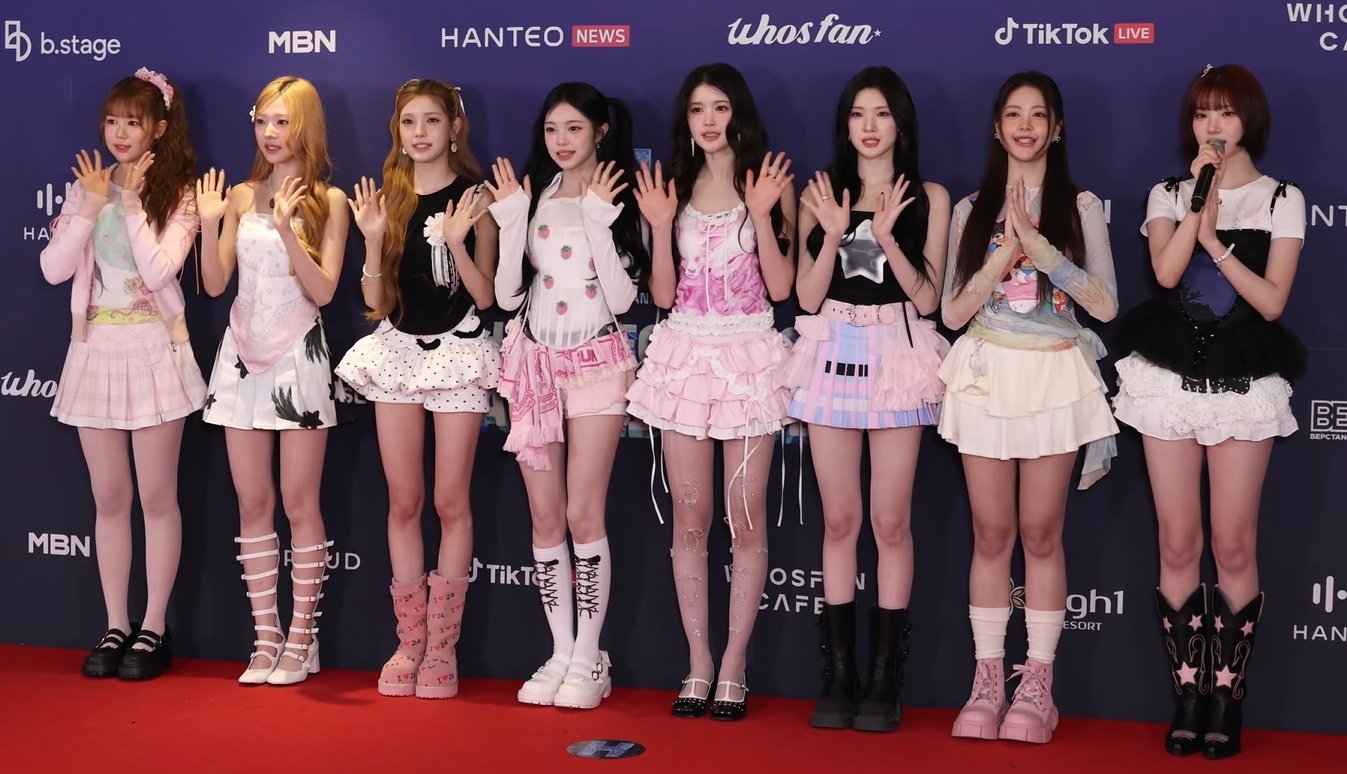
SM has outlined a RIIZE full-length album and a Hearts2Hearts mini-album for the first quarter of 2027. Both releases are planned rather than confirmed as completed, and their schedules remain subject to change. RIIZE enters this next cycle with a developed live audience and recording history; the album will provide another test of how far that audience translates into sustained demand for new music.
Hearts2Hearts has a different task. The planned mini-album offers a chance to develop the group’s musical identity and give listeners reasons to return beyond a single title track. First-week sales can attract headlines, but a lasting fan community is built over multiple releases, performances and interactions.
That difference is why simply calling both groups ‘rookies’ would miss the point. SM’s emerging acts are at different stages of development. Their individual trajectories, rather than a single generational label, will shape what the company can earn from them.
NCT WISH and aespa: building a larger live business

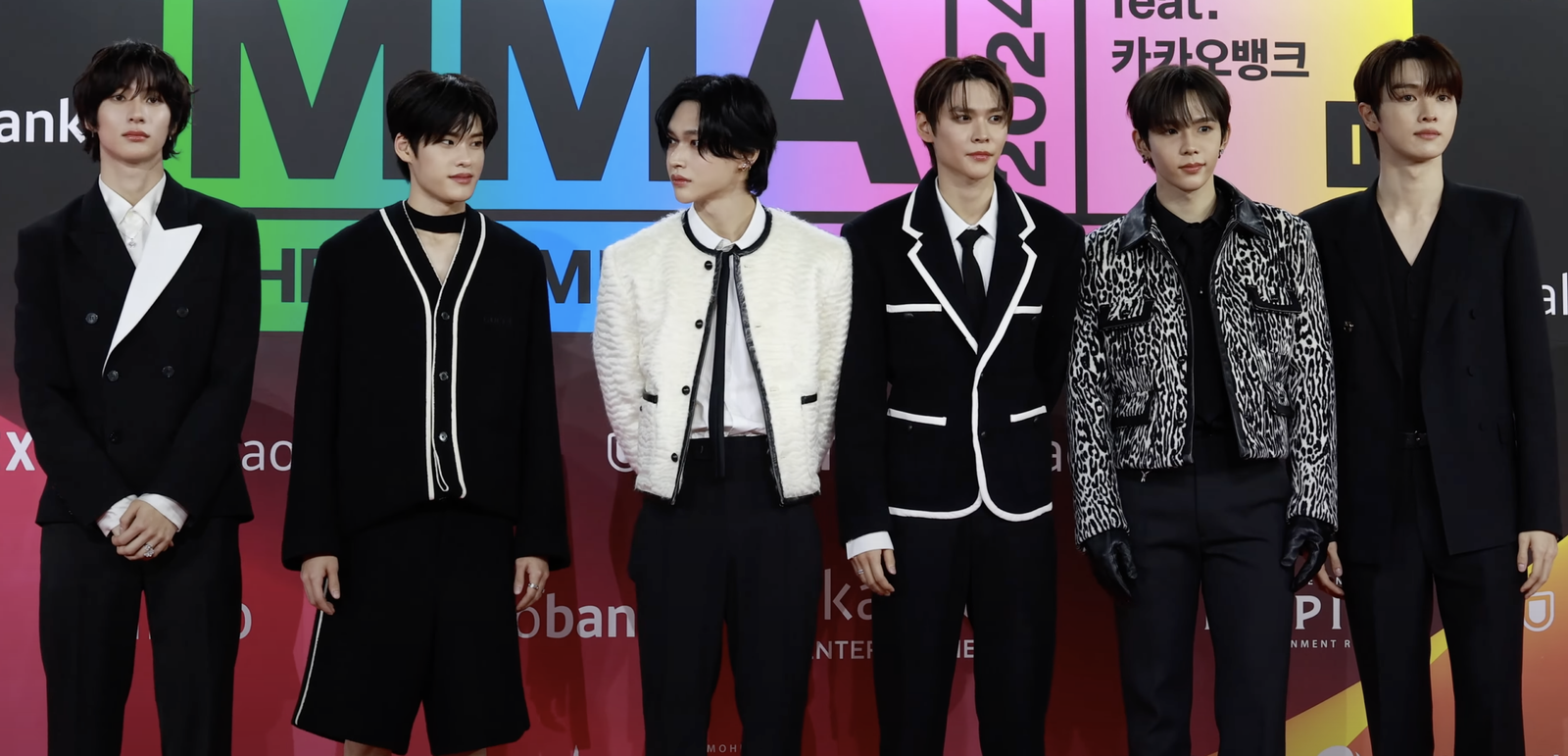
NCT WISH’s sold-out concerts at Seoul’s Gocheok Sky Dome signal a move toward larger venues. aespa, meanwhile, is preparing a European tour across nine cities, including London and Paris. These projects suggest two complementary priorities: scaling a younger group’s fanbase and taking an established global act into additional markets.
aespa should not be described as a fifth-generation rookie group. It is an established act whose international touring can support SM’s portfolio while younger groups such as RIIZE, Hearts2Hearts and NCT WISH develop their own commercial foundations.
Larger concerts do not automatically mean larger profits. Venue costs, production expenses, local promoters, ticketing arrangements and the timing of revenue recognition all matter. The larger question is whether SM can turn bigger audiences into sustainable earnings.
SM’s growth strategy goes beyond the next generation
The company’s announced schedule also includes established artists and solo projects involving NCT DREAM, Taeyeon, EXO members and others. SM’s stated direction is to combine the reach of senior artists with the growth potential of younger ones and continued expansion into international markets.
That approach makes strategic sense: a more diverse artist portfolio can help reduce reliance on any single comeback or tour. But the outcome will depend on execution. Marketing, recording, touring and fan-experience costs must be managed alongside revenue growth.
How can we tell whether SM’s strategy is working?
- Album momentum: Will the planned RIIZE and Hearts2Hearts releases translate into repeat listening, new fans and durable demand rather than a brief sales spike?
- Concert economics: Can larger NCT WISH venues and aespa’s European tour contribute healthy returns after production and distribution costs?
- Revenue mix: Will merchandise and licensing keep growing during quarters with fewer album releases?
The 26.4% drop in operating profit matters, but it does not tell the whole story. SM’s 2027 calendar presents a chance to test whether new recordings, larger concerts and year-round fan products can work together. One strong comeback would not prove a turnaround; several reporting periods of healthier earnings and consistent artist growth would make the argument much stronger.
Related KWaveScope coverage
- SM Entertainment: company history, artists and agency guide
- RIIZE’s international response to “Insomnia”
- Hearts2Hearts and NCT WISH at MUSIC EXPO LIVE Taipei
Sources
- Yonhap News Agency, November 4, 2026 — company earnings and release schedule
- NewsPim, November 4, 2026 — segment results and concert plans
Editorial note: This analysis draws on reported SM Entertainment figures and announced schedules available as of November 6, 2026. Plans may be revised. Revenue figures are not equivalent to profit or a forecast.