A sold-out stadium used to mean one thing: if you were not there, you missed the show.
K-pop is starting to loosen that rule.
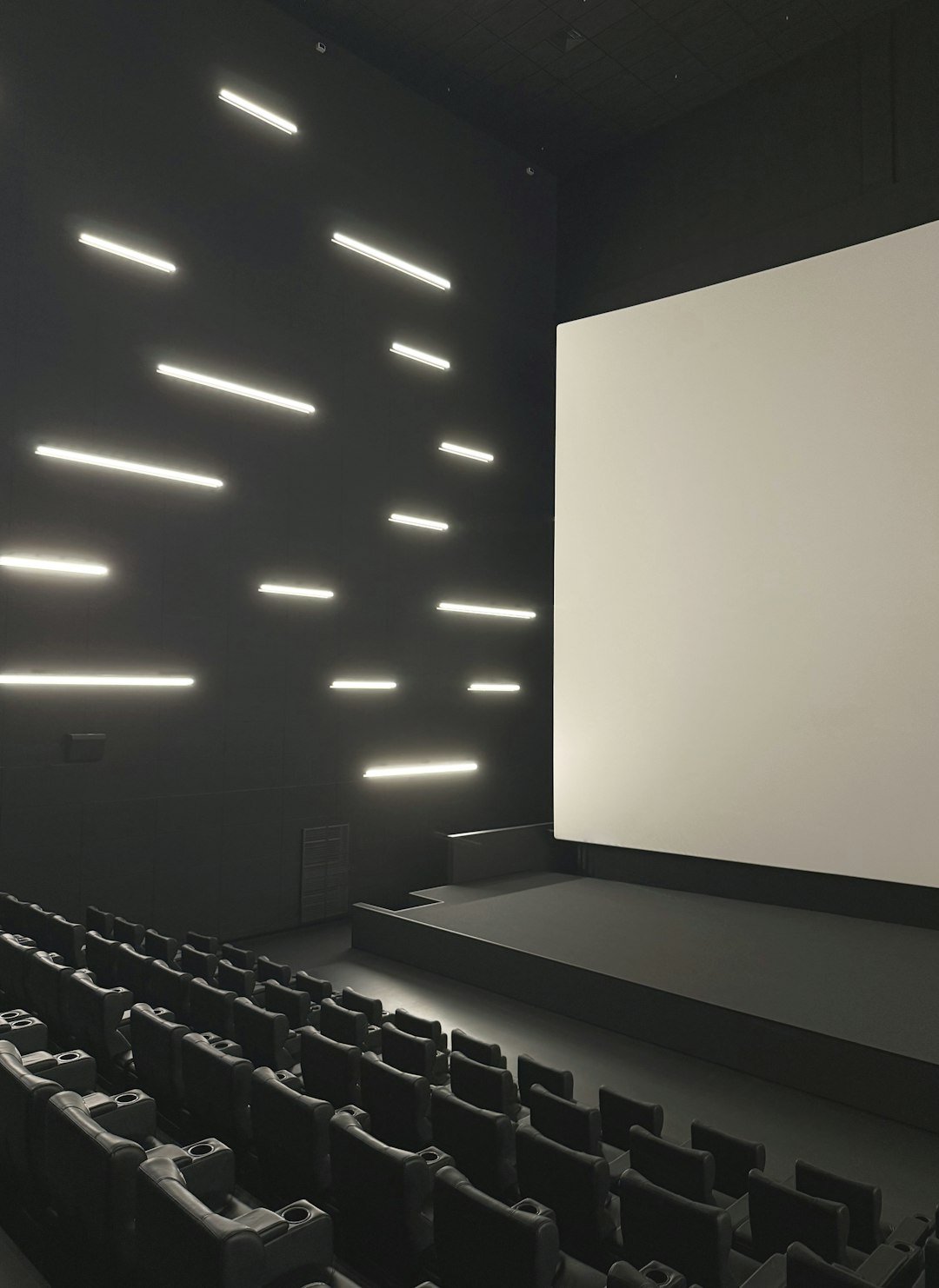
HYBE CINE FEST 2026 will run from October 24 to 31 in more than 1,100 theaters across roughly 50 countries. The program combines live BTS concert broadcasts from South America with theatrical concert films from SEVENTEEN, TOMORROW X TOGETHER and ENHYPEN.
It is easy to read that as a big fan event and stop there. But the lineup itself is not the most interesting part.
What stands out is the way HYBE is using movie theaters as part of its concert business.
Not as a replacement for touring, and not simply as a larger screen for old concert footage. The cinema is becoming a space between the stadium and the living room.
BTS brings the attention, but the format is the real story
The headline events are two BTS live viewings tied to the group’s ARIRANG world tour.
The Buenos Aires Day 3 concert is scheduled for October 24, followed by São Paulo Day 2 on October 30. Depending on the local time zone, theaters will carry the show live or on a delayed schedule.
That turns a concert in South America into a ticketed event thousands of kilometers away without adding another tour date.
But HYBE CINE FEST is not relying on BTS alone.
The program also includes concert films from SEVENTEEN’s NEW_ tour, TOMORROW X TOGETHER’s ACT : TOMORROW tour and ENHYPEN’s BLOOD SAGA tour, along with a cheering program built around music videos and performance footage.
Each format does something slightly different. A live broadcast creates urgency. A concert film is easier for theaters to schedule. A cheering screening gives fans permission to react the way they would at an actual K-pop show.
Seen together, the festival looks less like a one-off promotion and more like a test of how much K-pop content can move through the same cinema network.
A theater can sell another concert seat without adding another city
Touring is expensive.
Every extra city means another venue, another local crew, another security plan, more freight, more hotels and more transport. Even the biggest acts cannot physically perform everywhere their fans live.
A cinema solves a different problem.
The artist performs once, but the performance can be distributed to hundreds of additional locations at the same time.
No one is going to confuse that with standing inside the stadium. The value comes from offering a different kind of ticket.
For a fan who cannot travel to Buenos Aires or São Paulo, a theater an hour away may be far more realistic than an international flight, hotel and resale ticket.
For the company, that means demand outside the venue does not simply disappear.
This is especially useful in K-pop, where the audience is global but touring capacity is not.
The cinema sits between the stadium and the livestream
Fans who cannot attend a concert already have two familiar options.
They can watch a livestream at home, or they can wait for an edited concert film later.
A movie theater sits somewhere in between.
It offers the scale of a big screen, proper sound and a room full of other fans, but without the price and logistics of a stadium show.
More importantly, it restores something home streaming cannot easily reproduce: a crowd.
K-pop has always relied heavily on audience participation. Fan chants, light sticks, coordinated reactions and the collective noise of a room all shape the experience.
HYBE’s cheering screenings lean into that instead of pretending a K-pop audience should behave like a quiet movie crowd.
For a few hours, the multiplex becomes something closer to a small local arena.
North America is part of the experiment too
The 2026 rollout includes the United States and Canada, which matters because North America is already one of K-pop’s biggest touring markets.
The problem is distance.
A group may stop in Los Angeles, New York, Chicago or a few other major cities, while fans in nearby states or provinces still face hours of travel and significant extra costs.
Cinema distribution can fill some of those gaps.
It does not need to replace a future arena date. It can work between tours, during sold-out runs or in cities unlikely to get a full concert at all.
There is another interesting possibility here. If certain cities repeatedly sell out K-pop screenings, theater ticket data could become a useful signal of where strong local fandoms exist.
HYBE has not announced that as a strategy, but it is the kind of information a global entertainment company would naturally pay attention to.
One concert can keep earning after the lights go down
There is a business reason this model is attractive beyond ticket access.
A single performance can now have several lives.
It begins as a live concert. Then it can become a livestream, a cinema broadcast, an edited concert film, a home-video release or a streaming title later on.
The performance stays the same. What changes is the window through which people pay to access it.
Film studios have used that logic for decades. The same movie reaches audiences through theaters, rentals, streaming and home media at different times and different price points.
K-pop companies are increasingly applying a similar idea to concerts.
Touring used to be mostly a location business: the audience had to go where the artist was.
Cinema distribution begins to separate the performance from the place where it happened.
More than 1,100 theaters changes the scale
A one-night screening in a handful of cities is easy to dismiss as fan service.
More than 1,100 theaters across roughly 50 countries is harder to treat that way.
At that scale, ticketing, technical delivery, local scheduling and rights coordination become a real distribution operation.
HYBE is working with Trafalgar Releasing for the global rollout, while Korea and Japan have their own local arrangements.
That infrastructure matters because event cinema works best when buying a ticket feels ordinary.
Fans should not have to navigate a complicated international platform. They should be able to open the website of a familiar local theater and book a seat the same way they would for a movie.
K-pop does not need to build thousands of new venues to make that happen. It can use screens, sound systems and ticketing networks that already exist.
A theater also changes how fans watch
Livestreaming is convenient, but convenience can make an event feel disposable.
At home, it is easy to check messages, open another tab or walk away for ten minutes.
A cinema ticket creates a small ritual.
You choose a time. You leave the house. You sit with other people who came for the same reason.
That little bit of effort can make the event feel more important.
K-pop already understands this through pop-up stores, fan meetings and limited-edition releases. The point is not only the content itself. It is the feeling of making an occasion out of it.
Cinema screenings do the same thing with concert video.
The multiplex can become a fan-commerce space too
At selected locations, HYBE CINE FEST goes beyond the screen.
Some venues will feature photo zones, light-stick decorating areas, merchandise and other fan activities. Los Angeles is among the cities with a dedicated HYBE CINE FEST store, while other markets will have their own special-event formats.
That changes the economics of the visit.
The movie ticket becomes the beginning of the transaction, not necessarily the end of it.
A fan can watch the show, take photos, buy merchandise and spend time with other fans in the same location.
K-pop has become very good at turning one release into an entire ecosystem of products and experiences.
What is new here is the venue.
The multiplex is beginning to perform some of the jobs once reserved for concert halls, pop-up shops and fan-meeting spaces.
The most useful test will not be BTS
BTS can make almost any global K-pop distribution experiment look successful.
That is why the most revealing numbers may come from the SEVENTEEN, TXT and ENHYPEN screenings.
If fans consistently buy theater tickets for a range of artists, the model becomes much more interesting.
It would suggest that cinemas can support a regular calendar of K-pop concert content rather than a handful of blockbuster events built around one superstar act.
That is the point where movie theaters stop looking like an extra promotional channel and start looking like a permanent part of K-pop distribution.
What is worth watching after October 31
The festival itself lasts only a week. The more useful questions come afterward.
- How full are theaters outside the biggest K-pop markets? Strong attendance in smaller territories would show that cinema can reach fans traditional touring often misses.
- Do fans return for more than one title? Repeat attendance would separate a one-time novelty from a real habit.
- How do the non-BTS films perform? A broad artist base matters more to the long-term model than one superstar event.
- Do more cinema chains join future editions? Expansion would suggest theaters see K-pop as useful event programming rather than a short experiment.
- Does merchandise spending follow the screenings? If it does, the theater becomes more than a screening room. It becomes a fan-commerce venue.
K-pop may be building a new concert distribution layer
The easiest way to describe HYBE CINE FEST 2026 is to call it a film festival for K-pop fans.
That description is not wrong. It is simply too small.
A better way to look at the project is as distribution infrastructure.
A stadium concert happens once. A cinema network can carry that moment across borders without moving the stage, the dancers, the equipment or the artist.
For fans, that creates another way to participate when the tour does not come to their city.
For labels, it creates another paid window between the live venue and the home screen.
For theaters, it creates event programming with an audience that already knows how to organize, travel and spend around the artists it follows.
The important part is not that BTS can appear on a movie screen.
It is that K-pop is learning how to turn thousands of movie screens into extensions of the concert business.
Source
The Korea Times — HYBE takes K-pop cinema festival worldwide across 50 countries