Streaming was supposed to make physical music less important. K-pop has spent the last decade proving that physical albums can survive by doing a different job.
Fans stream the songs. They buy the object.
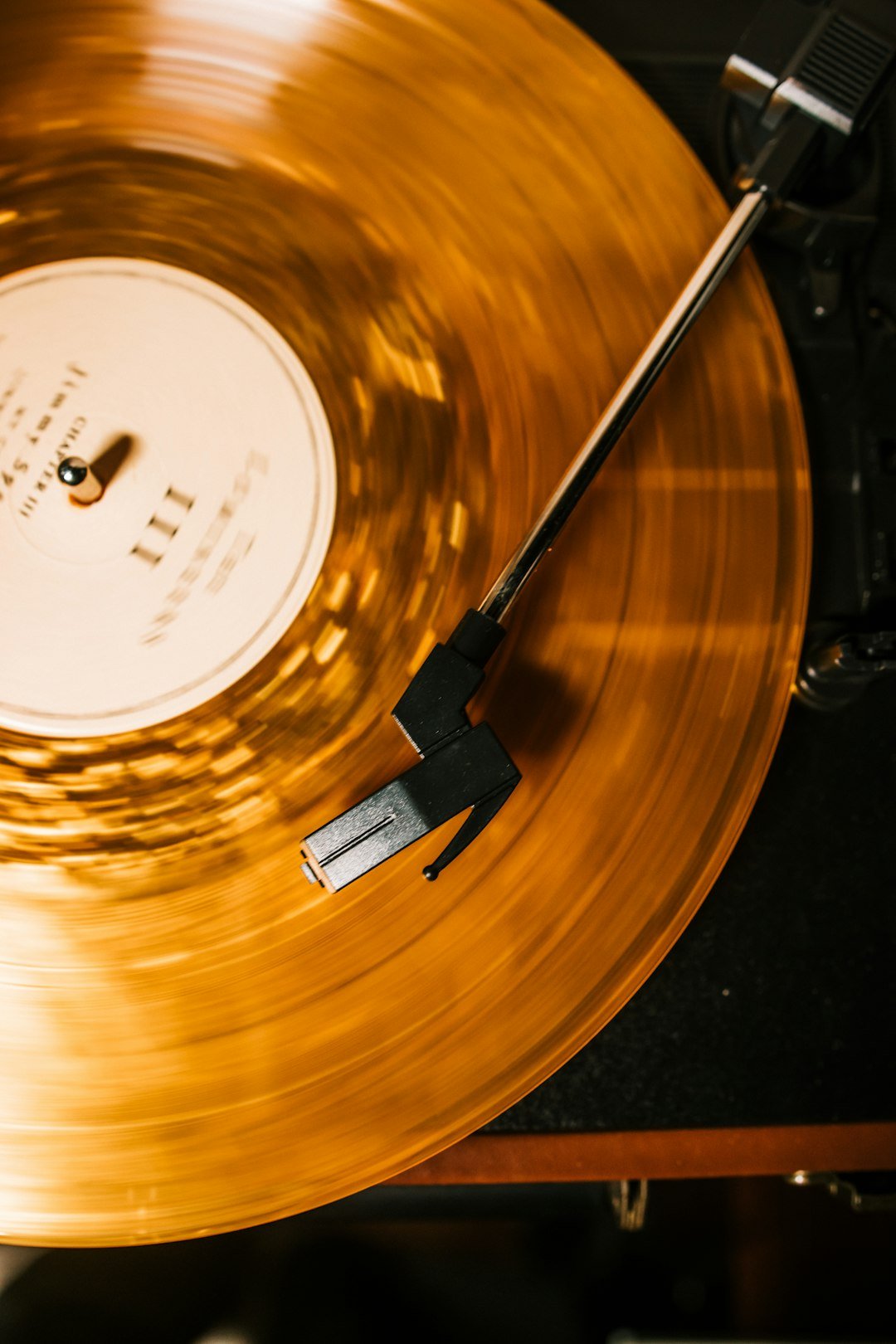
For years, that object was usually a CD album packed with photobooks, photocards and multiple versions. Vinyl is now moving into the same space, but at the premium end of it.
Circle Chart figures reported on September 27 show 937,173 LPs sold in Korea during the first half of 2026. That is already about 1.7 times the 548,977 copies sold in all of 2025. The annual total was 471,781 in 2024 and 424,073 in 2023.
One caveat matters here: 937,173 is the total LP market, not a K-pop-only figure. Classical, jazz, rock and other genres are part of that number.
Even so, K-pop is becoming harder to ignore in the vinyl story. For major idol releases, LPs are no longer a novelty pressed for a tiny group of collectors. They are starting to look like a real part of the album strategy.
BTS shows how big that shift can become
The clearest example this year is BTS.
The vinyl edition of the group’s fifth studio album ARIRANG sold 208,000 copies in the United States in its first week. According to Luminate data, that was the largest weekly vinyl total for a group since electronic tracking began in 1991.
More strikingly, vinyl made up roughly 40% of the album’s U.S. physical sales that week.
By the end of the first half of 2026, ARIRANG had sold 331,000 vinyl copies in the U.S., making it the country’s top-selling vinyl album of the period.
No one is surprised that BTS can sell a lot of records. What is more interesting is the format fans chose.
Vinyl is expensive, heavy, awkward to ship and less convenient than almost every other way of hearing music. Fans bought it anyway.
Listening and owning are no longer the same thing
As a listening format, vinyl is hard to defend on convenience alone.
A streaming subscription puts millions of songs on a phone in seconds. A digital file cannot warp or scratch, and it does not need shelf space.
That misses the point.
K-pop fans have been separating listening from ownership for years. The music lives on streaming platforms. The album lives on a shelf.
Many fans buy physical albums even if the CD itself is rarely played. What they are buying is the package: the photos, the design, the inclusions and a physical reminder of a specific comeback.
Vinyl takes that idea further. The sleeve is larger. The artwork has more presence. The record feels like something designed to stay in a collection for years.
Its inconvenience is not necessarily a drawback. For some buyers, it is part of what makes the object feel special.
K-pop already trained fans to care about format
Vinyl did not create a collector culture in K-pop. It walked into one that was already mature.
Album versions, member-specific editions, photocards, pre-order benefits and lucky draws have spent years teaching fans that the format itself can be part of the experience.
A fan who already knows the difference between a photobook version, a digipack, a platform album and a limited edition does not need much explanation for why an LP might feel worth owning.
Vinyl simply sits at the expensive end of that ladder.
That is why this looks like more than a retro trend. Fans are not buying LPs because they have abandoned digital music. They are adding another physical format to a collecting culture that was already there.
Vinyl asks fans to collect the album, not just the member
There is one important difference between an LP and a photocard.
Photocard collecting is often member-driven. A fan may buy several copies because they want one specific member, a rare benefit or a complete set.
Vinyl pulls attention back toward the album itself.
There is one large cover, one track sequence and one record that asks to be handled as a complete object. In a market filled with tiny inserts, random pulls and member-specific editions, that can feel surprisingly refreshing.
You put the record on. You listen in order. You turn it over.
For a pop industry built around short clips, rapid comeback cycles and constant updates, that slower ritual has real appeal.
Labels have a reason to like vinyl too
The attraction is not only emotional. Vinyl makes business sense.
An LP can carry a higher price than a standard CD without immediately looking overpriced. Buyers already expect records to cost more because the manufacturing, packaging and shipping are different.
That gives labels a natural premium tier for fans who want something more substantial than another jewel case or compact member edition.
Western pop has been using this playbook for years through colored vinyl, alternate covers and retailer exclusives. K-pop is particularly well suited to the same strategy because fans are already comfortable choosing between multiple physical versions of the same release.
Most fans will still never buy an LP. They do not have to. The point is that labels now have another product for the part of the fandom willing to pay more for something that feels permanent.
One blockbuster can make a small market look much bigger
The 937,173 figure is impressive, but it should not be read as proof that Korea has entered a permanent vinyl boom.
LP is still a relatively small market. A handful of huge releases can move the total very quickly.
BTS is a good example of that effect. When one act can sell hundreds of thousands of vinyl copies, format-level numbers can jump even if the rest of the market has not changed nearly as much.
The more useful test is what happens after the biggest comeback cycles pass. Do more K-pop artists keep releasing LP editions? Do those records continue selling beyond the first week? Does demand hold up when there is no blockbuster release dominating the calendar?
If the answer to those questions is yes, then the case for a structural shift becomes much stronger.
What is worth watching next
Four things should tell us whether this is a lasting change or a spectacular one-year spike.
- How many K-pop acts release vinyl at all. A wider range of artists matters more than one superstar title.
- Whether LPs keep selling after the initial rush. Long-tail sales would suggest fans see them as more than comeback-week merchandise.
- How labels package them. Colored records, alternate jackets, numbered editions and store exclusives would push K-pop vinyl further into premium collecting.
- Whether buyers actually own turntables. If many do not, then the LP is functioning as display piece and fandom object as much as a listening format.
That last point may tell us the most.
Luminate has already seen a similar pattern with CDs: some younger buyers purchase physical music even when they do not own the hardware traditionally used to play it.
That only sounds irrational if we assume an album still has one job.
Physical music has changed jobs
In the 1990s, buying an album was usually how you got the music.
Now the music arrives first. The object is optional.
That makes the object more, not less, interesting.
Fans can decide which comeback deserves shelf space and how much they want to spend on it. A platform album may be enough for one release. Another may feel worth a photobook edition, a member version or a full-size LP.
The physical format has become a way of measuring attachment.
For a casual listener, streaming is enough.
For a collector, the album says: this one mattered enough to keep.
Vinyl is not replacing streaming. It is sitting on top of it.
The rise of K-pop vinyl does not mean fans are leaving Spotify, YouTube Music or other streaming platforms.
They are using both.
Streaming gives them convenience. Physical albums give them memory, identity and ownership.
K-pop has become unusually good at selling those two experiences at the same time.
That is the real reason the 937,173 figure is worth watching. Korea has not suddenly become a nation of vinyl purists, and LPs are not about to replace CDs.
What is changing is the top end of the collector market.
The path once ran from a stream to a CD, then perhaps to photocards and limited editions. Now there is another step above that: the premium LP.
BTS’s ARIRANG shows just how large that step can become when a major fandom decides the record is worth owning.
Data note: Korean LP totals in this article are based on Circle Chart figures reported on September 27, 2026. U.S. physical-market figures are based on Luminate’s 2026 Midyear data and reporting tied to ARIRANG.