A K-pop song can become a worldwide talking point in seconds. Getting it into those first few seconds, however, may require a substantial marketing budget. In a November 12, 2026 industry report, South Korea’s Maeil Business Newspaper described short-form promotion campaigns that commonly begin around KRW 20 million to KRW 30 million, with some larger projects reportedly reaching KRW 300 million–500 million. The figures came from industry interviews—not an audited market-wide average.
That distinction matters. Paying to produce videos and advertise a new release is not necessarily dishonest, and a viral moment is not necessarily bought. But the competition for visibility raises three questions that deserve more scrutiny: Does short-form attention lead to genuine music listening? Who pays when campaigns fail? And can artists see how the money is spent and deducted from their earnings?
The price of a viral moment is rising—but the figures need context
According to the November 12 report, a small label might spend roughly KRW 10 million on an initial push, while a more typical project in the sources’ experience begins around KRW 20 million–30 million. Campaigns can then expand in stages if the music appears to gain traction. Sources also described some large-scale campaigns with budgets ranging from KRW 300 million to KRW 500 million. None of those estimates should be mistaken for a mandatory cost or a guaranteed path to the charts.
| Reported budget or figure | What it describes | Important limitation |
|---|---|---|
| KRW 10 million | Illustrative small-label entry budget | Source interview estimate, not an industry minimum |
| KRW 20–30 million | Common starting range cited for individual song campaigns | Not a verified average of all releases |
| KRW 300–500 million | Some large-scale projects mentioned by sources | Not typical spending for every K-pop song |
| “5 in 100” | One interviewee’s assessment of campaigns meeting expectations | Not a measured success rate or representative sample |
Where does the money go? Short videos need planning, filming, editing, creative variations and distribution. Paid promotion can add costs for social platforms, specialist agencies, creator partnerships and performance analysis. One campaign might test many clips at modest scale; another might concentrate resources on a few high-performing ideas. A larger budget can purchase more exposure. It cannot purchase genuine affection for a song.

A million video views are not a million music streams
Short-form promotion depends on several stages of audience behavior. A video appears in a feed. Someone watches, shares or remakes it. A smaller number may search for the full track, listen on a music service and return to the artist later. Every step is a different measurement, and none can be assumed from the step before it.
| Signal | What it can tell a label | What it cannot prove |
|---|---|---|
| Video views | How often clips were played under a platform’s counting rules | Unique listeners, full-track plays or profit |
| Shares and remakes | Whether audiences are participating | That every post was unpaid or organic |
| Music-service listeners | Whether discovery is reaching streaming platforms | That short-form promotion alone caused the listening |
| Repeat listening and fan activity | Whether attention may be lasting | Financial return without cost and revenue data |
Short clips clearly can coincide with significant chart movement. In July 2026, Yonhap reported that ILLIT’s “It’s Me” climbed from No. 131 on Melon’s daily chart shortly after release to a peak of No. 2 as challenge videos attracted attention. The case illustrates how short-form buzz can coincide with significant chart momentum—not evidence that the group bought streams or that a particular advertising budget caused the change.
For marketing teams, the harder question is how much of that chart growth would have happened without the campaign. Music quality, fan activity, radio and television exposure, other promotional work and simple timing can all affect results. Without carefully compared campaign data, a company may credit paid videos for growth driven by several factors at once.
The difference between promotion, hidden advertising and streaming manipulation
These practices should not be confused with one another. An agency buying clearly identified advertisements or commissioning properly disclosed creator content is participating in ordinary promotion. A post that looks like an independent fan recommendation but secretly reflects payment creates a transparency problem. Services promising guaranteed streams or paid playlist placement can cross into artificial streaming and platform-rule violations.
There is a documented regulatory precedent for the disclosure question. In March 2025, South Korea’s Fair Trade Commission issued a corrective order and a KRW 390 million fine against Kakao Entertainment over deceptive music promotion on social channels. The decision concerned the presentation of promotional material as independent-looking content. It does not mean that every viral K-pop campaign, paid creator collaboration or successful chart performance is unlawful.
Spotify likewise warns artists against services that guarantee plays or playlist placements in exchange for money. Its anti-manipulation rules explain that confirmed artificial plays may be removed from counts, with related royalties withheld and further action possible. Legitimate advertising and artificial streaming should not be treated as synonyms.
The uncomfortable question: does the artist know the marketing bill?
In the same November 12 report, sources raised concerns about how promotional spending is approved and eventually reflected in royalty settlements. The article described an illustrative situation in which KRW 2 billion in music revenue might be reduced by KRW 500 million in distribution fees and marketing-related costs. This was not presented as an independently audited settlement for a named artist. Even after such deductions, the remaining amount would not automatically be an artist’s take-home pay; contractual revenue shares and other obligations would still matter.
A one-time advertising fee is fundamentally different from giving a marketing agency an ongoing share of a song’s rights. One industry interviewee described arrangements in which a viral-marketing business might seek up to a 50% share of music IP. The report did not establish how common those deals are, or identify representative contracts. Any such proposal would require careful attention to which rights are being transferred, for how long, and in exchange for what services.
A label can justify many types of marketing investment. But artists should be able to distinguish distribution fees from advertising costs, understand what was authorized, and see supporting records. Even a commercially successful song can lead to disputes when artists cannot clearly understand how their earnings were calculated.
How transparent music marketing could actually work
- Agree on the budget in advance. Record what the artist or rights holders have approved, including caps on additional spending.
- Separate the cost categories. Show filming, agency services, creator payments, platform ads and distribution fees as distinct line items.
- Keep receipts and campaign reports. Preserve invoices, dates, delivery records, paid-placement disclosures and campaign-performance results.
- Connect costs to the correct rights and contracts. Specify which earnings can legitimately carry which deductions rather than treating every income stream as interchangeable.
- Explain changes and exceptions. Document budget increases, revenue-sharing adjustments and third-party IP claims before settlement disputes arise.
These are practical transparency recommendations, not a claim that one accounting rule applies identically to every K-pop contract. The underlying commercial agreements and applicable law determine the parties’ actual obligations.
Who wins when more of the budget goes to global platforms?
K-pop benefits from worldwide distribution through YouTube, Instagram, TikTok and other services. Their recommendation systems can bring a Korean release to listeners who would never encounter it through traditional broadcast promotion. That reach is valuable, especially for acts without a large existing fanbase.
But advertising budgets also create revenue for those platforms and for intermediaries that produce or distribute content. This does not mean spending overseas is automatically wasteful: the question is whether the campaign generates enough lasting value for the artist, label and creative teams to justify the expense. A platform may profit from the advertisement whether the song becomes a hit or disappears from the feed.
For smaller independent labels, deciding how much to spend can be especially difficult. Spending more can widen the first wave of exposure, yet the costs can consume funds needed for recording, training, touring or the next release. The balance between discovery and sustainable artist development matters more than any single view-count milestone.
What should the industry measure instead of hype?
- Real audience growth: Are verified listeners, returning listeners and voluntary fan activities increasing?
- Cost efficiency: What is the spending per useful outcome, with paid and organic exposure reported separately?
- Rights and settlements: Do artists receive understandable accounting statements and a record of approved deductions?
- Long-term value: Does the song lead to future listening, catalog discovery, ticket sales or an enduring community?
The viral marketing arms race is changing how K-pop is launched, but the essential test has not changed. Fans must want to keep listening after the advertisement ends. The more money the industry spends to win a moment of attention, the more important it becomes to establish what that attention achieved—and who ultimately paid for it.
Related KWaveScope insights
- K-Pop’s Next Battle Is for Fans’ Time
- A2O LITE’s “NEON” and the Spread of AI Dance Memes
- ILLIT’s TikTok Activity and Music Show Success
Sources
- Maeil Business Newspaper, November 12, 2026 — reported campaign budgets, industry interviews and settlement concerns
- Yonhap News Agency, July 4, 2026 — short-form dance challenges and documented chart movements
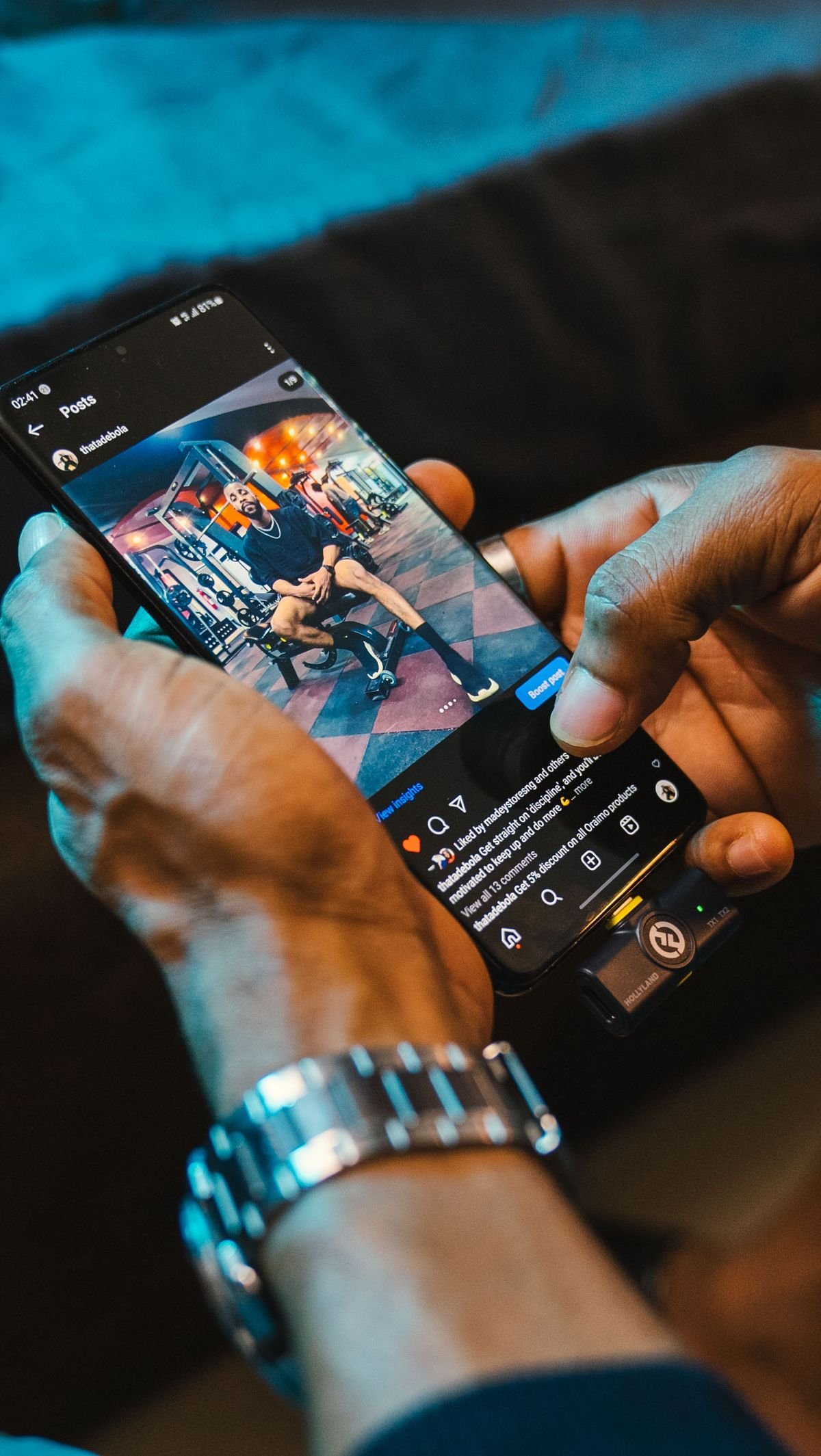
Editorial note (November 20, 2026): Reported campaign spending, the “five in 100” assessment and possible IP-sharing arrangements are attributed to industry interviewees rather than verified sector-wide statistics. The example of KRW 2 billion in revenue and KRW 500 million in deductions is illustrative, not an audited artist settlement. Photographs show generic production and mobile viewing, not named K-pop campaigns. Photographs are illustrative and do not depict any specific K-pop campaign.